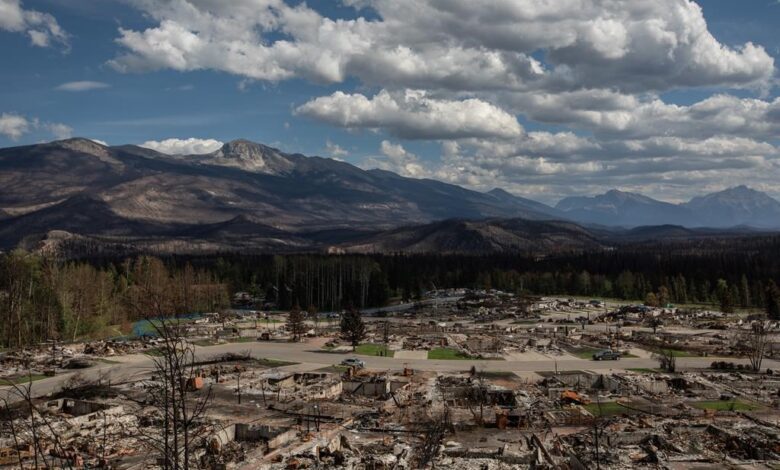
The federal government introduced legislation in September 2024 to let the Municipality of Jasper assume local land-use planning and development authority from Parks Canada. The change was accelerated after wildfire destroyed roughly 30 per cent of the Alberta mountain town and created an urgent, complex rebuilding task.
Jasper has an unusual governance structure
The town lies inside Jasper National Park on federal land. Its municipal government exercises many ordinary town powers, but Parks Canada historically retained authority over planning, development, annexation and environmental matters.
That division could add steps and uncertainty to local approvals.
The 2024 wildfire increased urgency
A fast-moving fire entered the townsite in July, destroying hundreds of structures and displacing residents and businesses. Rebuilding required decisions about permits, neighbourhood design, utilities, fire resilience and housing.
Local leaders argued that democratic accountability should accompany those choices.
Bill C-76 enabled a transfer
The proposed federal amendment changed the Canada National Parks Act so planning and development powers could be transferred. Parliament later passed the measure and it received royal assent in October 2024.
Enabling legislation did not instantly move every responsibility.
Plans and agreements were still required
Jasper needed a community plan and municipal development plan consistent with federal park purposes and Alberta’s Municipal Government Act. The municipality and Parks Canada also had to work through regulations, staffing, records and transition arrangements.
Residents deserved clarity on which authority handled each application during the changeover.
Local control can improve responsiveness
Municipal council is directly accountable to town residents and can integrate zoning with local services and housing needs. A single process may reduce duplication and make timelines easier to understand.
Authority must come with professional capacity and stable revenue.
National-park protection remains binding
Jasper’s ecological integrity, wildlife corridors and national significance do not disappear under municipal administration. Federal law and the park’s land-use constraints continue to shape what can be built.
Faster approval should not mean bypassing environmental assessment or public consultation.
Housing and resilience are linked
Reconstruction offered opportunities for fire-resistant materials, defensible space, safer evacuation and more diverse employee housing. It also risked pricing out residents or losing scarce long-term rentals to visitor accommodation.
Transparent rules and rebuilding assistance are essential.
The transfer should be measured in outcomes
Useful indicators include permit times, housing restored, appeals, infrastructure readiness and compliance with ecological standards. Governments should publish transition milestones and explain delays.
The legislation was an important response to a local request, but not a complete rebuilding plan. Success depends on Jasper receiving the authority, expertise and financing to act while preserving the park values that make the town unique. Local accountability and federal stewardship must operate as complementary safeguards rather than rival objectives.
People who lost homes should have accessible ways to track zoning changes, appeal decisions and participate remotely while displaced. Rebuilding speed matters, but so do fairness, Indigenous consultation and confidence that new structures are safer.
Public dashboards can show applications and decisions without exposing private household information, creating accountability during a multiyear recovery.
Performance targets should be revised openly when conditions change.