
Second Wave of Hezbollah Devices Explodes in Lebanon, Killing at Least 20
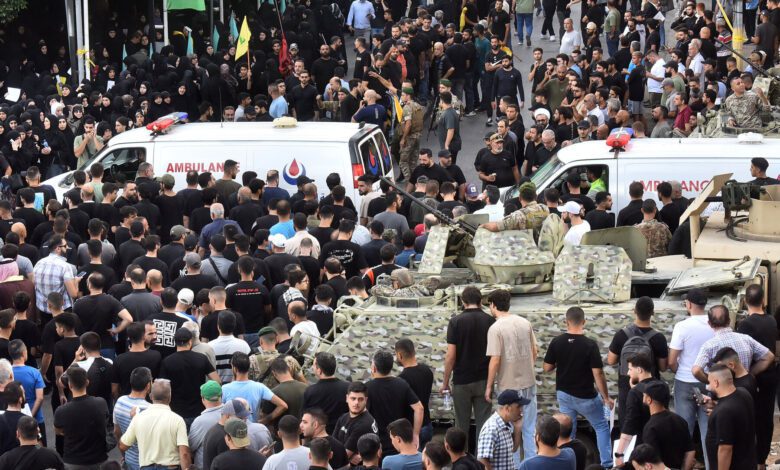
A second wave of explosions struck communication equipment associated with Hezbollah across Lebanon on September 18, 2024, one day after thousands of pagers detonated. The Lebanese Health Ministry initially reported at least 20 deaths and more than 450 injuries from the second wave, which largely involved handheld radios.
Radios exploded in multiple settings
Blasts were reported in Beirut’s southern suburbs, the Bekaa Valley and southern Lebanon. At least one explosion disrupted a funeral for people killed the previous day.
The wide distribution meant devices detonated around families, bystanders and emergency responders as well as intended users.
The casualty toll evolved
Hospitals and officials updated numbers as patients arrived and injuries were assessed. Later combined figures for the two days were higher and included civilians and children.
Reports should always specify whether a toll covers the pager wave, radio wave or both.
Evidence pointed to physical sabotage
Experts said ordinary batteries could not plausibly produce such coordinated, lethal blasts on their own. Subsequent investigations indicated that explosive material had been inserted into devices in the supply chain and activated remotely.
Early descriptions of a purely digital battery hack were therefore misleading.
Attribution strengthened over time
Hezbollah and Lebanon blamed Israel immediately, while Israel initially offered no public confirmation. News organizations later cited Israeli, US and intelligence sources attributing the operation to Israel.
Historical accounts should preserve that timeline instead of projecting later certainty backward.
Hospitals faced an extraordinary burden
The first wave had already produced thousands of hand, eye and abdominal injuries. A second influx strained operating theatres, blood supplies, specialist teams and patient transfers.
Health workers also had to manage fear that additional electronic equipment could explode.
Civilians could not be treated as incidental
Hezbollah is an armed group and party, and many devices were distributed through its structures. Yet possession did not establish that every carrier was a combatant at the moment of attack, while people nearby had no control over the device.
Those facts drove serious debate under international humanitarian law.
The second wave magnified psychological effects
After the pagers, radios that might have served as a fallback also became suspect. Lebanese residents became wary of phones, appliances and batteries even where there was no evidence of tampering.
Authorities needed specific safety guidance rather than rumours about every electronic product.
Escalation followed
Hezbollah described the attacks as an act of war and promised retaliation. Israel intensified military operations against Hezbollah leaders and positions, while cross-border fire continued and civilians on both sides faced displacement.
The second-wave toll was not simply a dramatic technology story. It reflected a pre-positioned explosive operation, mass casualties, a compromised civilian environment and a rapidly widening conflict. Accurate coverage should distinguish waves and dated tolls, identify the basis for attribution and keep the people killed or injured visible alongside discussion of intelligence prowess.
Photographs and videos require verification because unrelated battery fires circulated alongside genuine scenes. Publishers should avoid identifiable medical images unless the subject consents and the public interest clearly outweighs the loss of privacy.
Any final casualty table should identify the reporting authority and avoid classifying every victim as a combatant without supporting evidence.



