
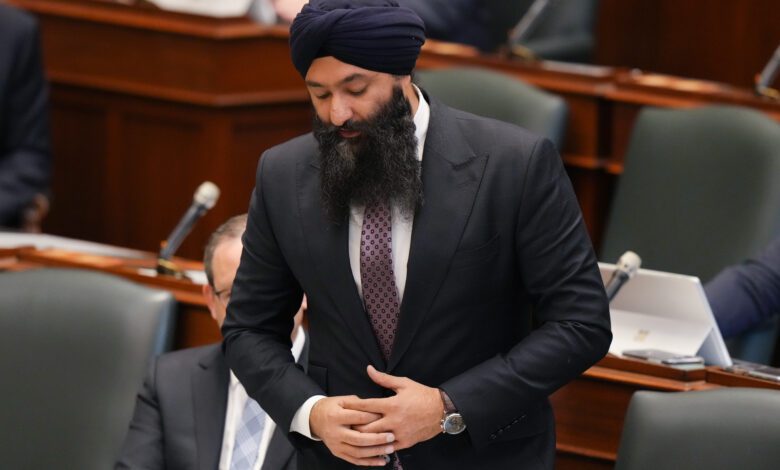
Ontario Transportation Minister Prabmeet Sarkaria told a legislative committee in September 2024 that he had “100 per cent confidence” in Metrolinx and the consortium building the Eglinton Crosstown LRT. He still did not provide an opening date for the years-delayed Toronto transit line.
The project had missed repeated targets
Construction on the 19-kilometre line began in 2011, and the public-private contract initially contemplated completion years earlier. COVID-19 disruption, difficult work at Eglinton station, design delays, defects and testing problems contributed to successive postponements.
Residents and businesses endured long-running construction impacts.
Line 5 was a complex system
The route combines a 10-kilometre tunnel with street-running sections and 25 stations or stops. Vehicles, signals, communications, fire systems, stations and the connection with TTC operations all had to work safely together.
Completing visible construction did not establish readiness for passengers.
The minister’s confidence was not a schedule
When opposition members asked for an estimated opening, Sarkaria praised the delivery team and province’s transit programme. Metrolinx maintained that it would announce a date only after testing and acceptance criteria were satisfied.
The absence of a dated plan made public scrutiny difficult.
Crosslinx held the main delivery contract
Crosslinx Transit Solutions designed, built, financed and maintained major parts of the system under an agreement with Metrolinx and Infrastructure Ontario. The TTC would operate passenger service.
Multiple organizations created contractual interfaces but did not eliminate public accountability.
Safety caution was legitimate
Opening an unready railway to satisfy a political deadline could endanger riders and undermine reliability. Demonstration service, operator training and emergency exercises are necessary.
Safety, however, does not justify withholding every meaningful milestone, risk or cost update.
The line eventually opened
Line 5 reached substantial completion in December 2025 and opened to TTC customers on February 8, 2026. Initial service hours were phased while Metrolinx and TTC refined operations.
That outcome completes the historical record but does not erase the long delay.
Performance now can be measured
Travel time, frequency, breakdowns, accessibility, ridership and maintenance response show whether the delivered system meets its purpose. Final cost and settlement reporting should distinguish original contract value from additions and claims.
Lessons also matter for other Ontario transit projects.
Accountability needs more than confidence
Public officials should provide verifiable milestones, explain failed forecasts and publish independent assurance within legitimate commercial limits. Contractors should be evaluated against contractual performance rather than political praise.
Sarkaria’s 2024 statement expressed institutional support at a moment when commuters had little concrete information. The February 2026 opening ultimately delivered the route, but a credible assessment includes both the functioning line and the years in which confident assurances were not accompanied by a reliable public timetable.
Metrolinx and the TTC should continue publishing reliability and safety results during phased operation. Only sustained performance can establish whether final testing solved the defects that kept passengers waiting and whether contract maintenance delivers value.
Businesses and neighbourhoods that endured construction also deserve a final accounting of restoration commitments. The line’s benefits should be weighed against disruption transparently, helping future projects maintain public trust when schedules slip.



