They Said the Virgin Mary Appeared. The Vatican Is Finally Weighing In.
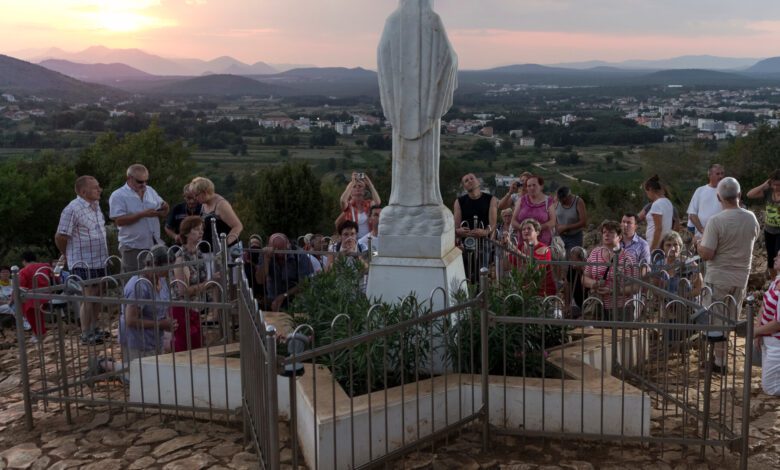
The Vatican gave a cautious green light to public devotion associated with Medjugorje in Bosnia and Herzegovina on September 19, 2024. Its doctrinal office issued a “nihil obstat,” meaning no decisive obstacle was found to the spiritual and pastoral value of the devotion—not that the reported apparitions were declared supernatural.
The claims began in 1981
Six young people said they had encountered the Virgin Mary in Medjugorje, then part of Yugoslavia. Some reported continuing messages, and the village became a major pilgrimage destination drawing millions of Catholics.
Church authorities spent decades examining the claims and pastoral effects.
The 2024 decision used new norms
The Dicastery for the Doctrine of the Faith had revised its procedures for alleged supernatural phenomena in May. Under that framework, a nihil obstat permits prudent devotion because positive spiritual fruits are evident and serious doctrinal dangers do not require prohibition.
It generally avoids certifying that an apparition occurred.
Positive fruits influenced the assessment
The Vatican cited conversions, renewed prayer, participation in the sacraments, vocations, reconciliation and charitable works linked to pilgrimages. It approved public worship under the title Mary, Queen of Peace.
Pastoral benefit can be recognized even while the origin of every claimed message remains unresolved.
The note also identified concerns
Officials warned that some messages attributed to Mary were confusing, theologically imprecise or overly focused on the alleged visionaries. A few could be read as rebuking church authorities or promising specific outcomes.
The note instructed readers to interpret questionable texts cautiously within established Catholic teaching.
Pilgrimage was not an appointment with a visionary
The Vatican said visitors should travel to encounter Christ through prayer, scripture, the Eucharist and devotion to Mary, rather than to seek meetings with alleged seers. It did not endorse commercial exploitation or every private claim.
Local pastoral oversight remained important.
Approval and proof are different categories
“The Vatican says Mary appeared” would overstate the ruling. The decision allowed believers to adhere prudently to the spiritual experience while explicitly not judging the supernatural character of the events.
Individual Catholics were not required to believe the apparition accounts.
The distinction protects both faith and scrutiny
Reports of visions can spread rapidly, attract money and create authority around charismatic figures. The modern process lets church officials encourage documented good while monitoring manipulation, doctrinal error or abuse.
Serious new evidence could still lead to intervention.
How to report the Vatican’s decision
Accurate coverage should name the status, date and issuing body, then explain its limits. It should separate the existence of pilgrims and spiritual experiences from empirical verification of an apparition.
The September note resolved a pastoral question more than a historical one: Catholics could participate in Medjugorje devotion with church approval, subject to guidance, but the Holy See had not authenticated every message or proclaimed that the Virgin Mary physically appeared. That nuance is the central fact, not a technical footnote.
The Church’s judgment concerns Catholic pastoral practice; it is not a scientific finding binding on people of other faiths or no faith.
That boundary permits respectful coverage of believers while maintaining precise language about what authorities did and did not determine.
Quoting the formal note directly is the best safeguard against turning a nuanced ruling into a sensational claim.