Four people were found dead after a house fire in Temiskaming Shores, northern Ontario, on September 19, 2024. Police, the provincial fire marshal and the coroner began a joint investigation and initially withheld the victims’ identities and relationships.
Emergency crews arrived in the evening
Ontario Provincial Police and firefighters responded at about 5:30 p.m. to a home on Paget Street in New Liskeard, part of Temiskaming Shores near the Quebec border. The four people were located inside after crews entered the scene.
The first public release did not state when the fire began or who reported it.
The cause was not immediately known
Fire investigators examine burn patterns, electrical and heating systems, appliances, fuel sources and witness accounts. Structural collapse and suppression activity can disturb evidence, so reliable conclusions often take time.
An absence of early information should never be filled with rumours about accident, crime or responsibility.
Several agencies had distinct roles
The Office of the Fire Marshal could investigate origin and fire-safety factors, police could examine any criminal circumstances, and the coroner could determine identity and medical cause of death.
Coordination preserves evidence while preventing one agency’s preliminary theory from becoming a public conclusion.
Police limited details for valid reasons
Constable Siobhan Christo said further information would not be released during the active investigation and out of respect for the family. Authorities must notify relatives and confirm identities before publication.
Privacy is especially important where a small community could infer names from an address.
Images should be used carefully
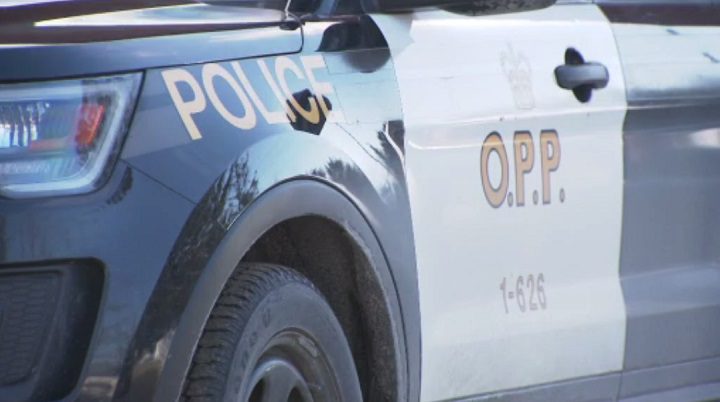
A file photograph of a police vehicle illustrates the responding agency but does not show the house or explain the fire. Captions should make that distinction clear so readers do not mistake a generic image for evidence from the scene.
Graphic or intrusive imagery adds little to a factual fatality report.
Community support may be needed
Fatal house fires affect relatives, neighbours and the emergency workers who respond. Victim services, mental-health support and practical help can be offered without pressing families for public comment.
Fundraising appeals should be verified through relatives or established organizations before sharing.
Fire safety remains relevant without assuming cause
Working smoke alarms on every level, tested escape plans and safe heating and electrical practices reduce risk generally. Those recommendations do not imply that missing alarms or unsafe conduct contributed to this incident.
Only the official investigation could establish case-specific prevention lessons.
The article required restraint and follow-up
The verified facts were limited: four deaths, one residence, an evening response and a multi-agency investigation. That was enough to report a serious public event but not enough to explain it.
Any later update should cite official findings, correct the record prominently and avoid identifying victims before family notification. Careful uncertainty is not incomplete journalism; in an early fatal-fire report, it is the most accurate form of journalism available.
Information about memorials, fundraising or practical assistance should be published only after independent verification and with the clear consent of the family members or organizations responsible for it.