Albania Plans to Create a Muslim State in Tirana as Symbol of Tolerance
Albanian Prime Minister Edi Rama announced in September 2024 that his government was considering a sovereign microstate for the Bektashi Order in Tirana. He presented the proposal as a symbol of moderate Islam and religious coexistence, but it remained a plan requiring legislation, constitutional scrutiny and international recognition.
The proposed territory was very small
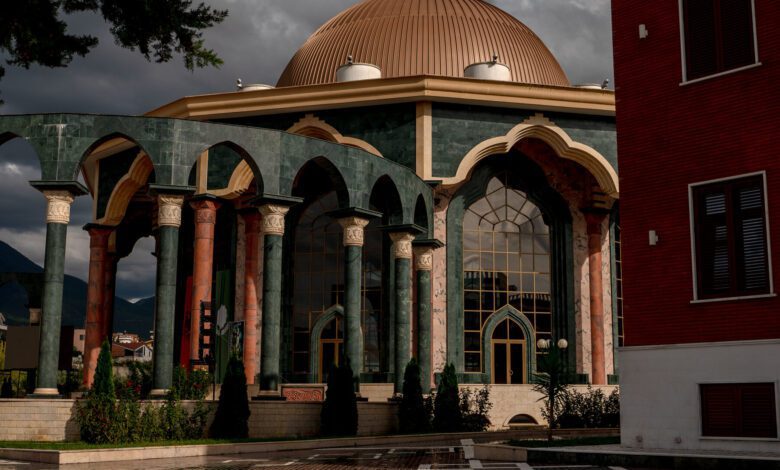
Rama described an enclave of roughly 27 acres around the Bektashi world headquarters in eastern Tirana. Reports compared the concept with Vatican City and said it could have its own administration, borders and passports.
Those features did not exist merely because they were announced in a speech. Maps, jurisdiction and the treatment of current residents would all need precise legal definition.
Bektashism has deep regional roots
The Bektashi tradition emerged in the medieval Ottoman world and combines Sufi practice with distinctive rituals and teachings. After the order was banned in modern Turkey, its international headquarters moved to Albania in 1930.
Its followers form a minority within Albania’s religiously diverse population.
Baba Mondi supported the concept
The order’s leader, Edmond Brahimaj, known as Baba Mondi, said the state would promote peace, tolerance and spiritual governance. The proposal did not describe a conventional army or an expansionist political project.
Support from the order, however, could not replace consent through Albania’s public institutions.
Rama linked it to Albania’s identity
Albania includes Muslim, Catholic and Orthodox communities and officially maintains a secular state. Rama argued that an internationally visible Bektashi centre could demonstrate a tradition of coexistence and resist religious extremism.
Critics questioned whether privileging one order was consistent with equal secular treatment.
Other Muslim representatives raised objections
Albania’s larger Muslim Community said it had not been consulted and warned that the initiative could create a dangerous precedent. Some Bektashi followers and legal scholars also sought more detail before accepting the plan.
Religious diversity should not be reduced to a single leader’s endorsement.
Citizenship created difficult questions
A new state would need rules for nationality, residence, taxation, policing, courts, property and movement across its boundary. Albania would have to explain whether clerics or residents could hold dual status and what rights any passport would carry.
Vague assurances about moderation did not answer these legal issues.
Recognition would not be automatic
Parliament could alter domestic arrangements, but other countries decide whether to recognize sovereignty. International statehood also involves defined territory, government, population and the capacity to conduct relations.
A religious compound with administrative autonomy is not necessarily an independent country.
The proposal should be judged as policy
Supporters saw cultural diplomacy, protection for a historically persecuted order and a public counterexample to militant ideology. Opponents saw constitutional inequality, avoidable division and a publicity project with uncertain practical value.
At the time of the announcement, Albania had not created a new Muslim state. It had opened a debate whose consequences depended on a published legal design, parliamentary approval and public consultation. Calling it a completed fact would overstate the news; dismissing it as symbolism alone would ignore the serious questions sovereignty brings.