Middle East Crisis: Live Updates: With Death Toll Rising, Tensions Run High After Israeli Strike in Beirut
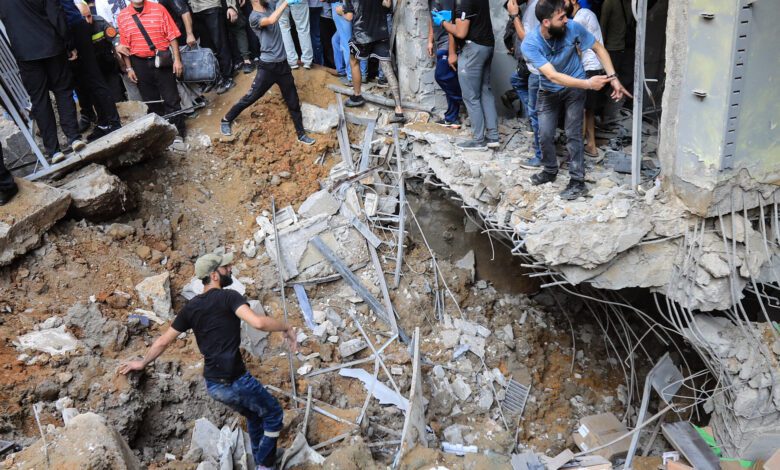
An Israeli airstrike in Beirut’s southern suburbs on September 20, 2024, killed senior Hezbollah commander Ibrahim Aqil and other members of the group’s elite Radwan Force. The strike also killed and injured civilians, collapsed a residential building and accelerated a confrontation already moving dangerously toward a wider war.
The target was a senior military figure
Israel said Aqil was directing Hezbollah operations and meeting commanders beneath the building. Hezbollah confirmed his death and that of Ahmed Wahbi, another senior Radwan officer, along with additional fighters.
The United States had offered a reward for information about Aqil over alleged responsibility for major attacks in Lebanon in the 1980s.
The neighbourhood was densely populated
The attack struck Dahiyeh during the afternoon, bringing down a multistorey building and damaging surrounding homes. Lebanese rescue teams searched through rubble as the health ministry repeatedly revised the casualty count.
Later official reporting put the death toll at 45, including women and children, while many more people were wounded.
Casualty figures evolved during rescue work
Early reports listed eight deaths and dozens injured; subsequent updates rose as bodies were recovered. Responsible coverage should date any toll and avoid presenting an initial number as final.
Names released by an armed group account for combatants but do not erase the civilian victims around them.
The strike followed attacks on communications devices
Explosions involving pagers and handheld radios used by Hezbollah had killed and injured people across Lebanon on September 17 and 18. Lebanon and Hezbollah blamed Israel, which did not publicly accept responsibility at the time.
The sequence created fear that almost any device or location could become part of the conflict.
Cross-border fire had continued for months
Hezbollah began firing toward Israel after the Gaza war started in October 2023, saying it acted in support of Palestinians. Israel responded with artillery and airstrikes, and tens of thousands of residents were displaced on both sides of the border.
Neither displacement nor prior attacks removed the legal duty to protect civilians.
Israel described an immediate operational threat
Its military said Aqil and the Radwan commanders were planning an operation into northern Israel. Hezbollah had developed missiles, drones and trained units capable of threatening border communities.
Military necessity is relevant, but international humanitarian law still requires distinction, proportionality and precautions in attack.
Lebanon’s government faced a crisis it did not control
Hezbollah was an armed political organization outside the Lebanese military’s command, while Israel treated targets inside Lebanon as part of its security campaign. Ordinary residents bore consequences despite having little influence over either side’s decisions.
Hospitals and emergency agencies also faced pressure after several mass-casualty events in one week.
The wider-war warning soon proved justified
At the time, diplomats urged restraint and implementation of arrangements that could return displaced civilians safely. Days later, Israel intensified strikes across Lebanon, and the conflict expanded further.
The Beirut attack was tactically significant because it removed senior commanders, but its full meaning included civilian loss and escalation risk. Accurate reporting must hold those facts together: Hezbollah was an armed force attacking Israel, Aqil was a military target, and a strike in a residential area produced grave civilian harm that demanded independent legal scrutiny.