
Kingston’s sleeping-cabin programme was put on hold in September 2024 because the non-profit preparing a permanent site had capital support but not enough operating money. The delay showed why a small-housing project needs dependable staffing and services as well as structures and land.
The cabins had moved between temporary sites
For nearly three years, more than a dozen small cabins operated at locations including Portsmouth Olympic Harbour and Days Road. Our Livable Solutions managed the initiative as transitional accommodation for people moving out of homelessness.
Frequent moves complicated continuity for residents, staff and neighbours.
A church offered a longer-term home
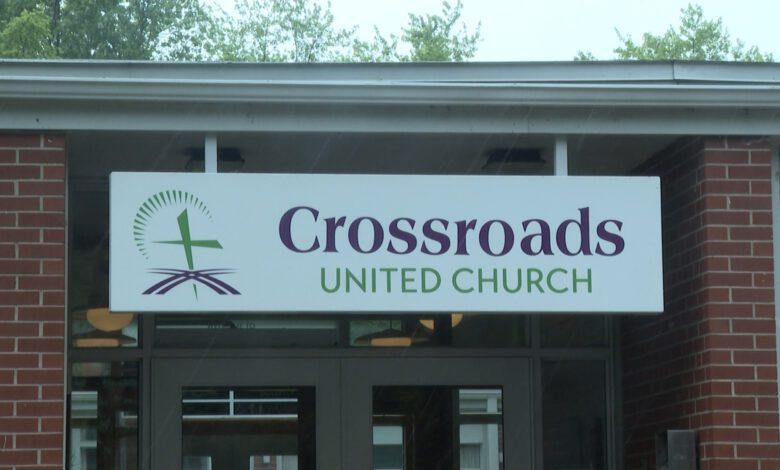
Crossroads United Church signed a lease allowing the cabins on an underused portion of its property. The site offered the possibility of stability after years of seasonal or temporary arrangements.
Planning approvals, utilities, construction and community consultation still had to be coordinated before occupancy.
City council had ended direct funding
Kingston council voted in April to wind down municipal operation and financial support. The plan allowed Our Livable Solutions to pursue a new location and non-municipal operating funds.
The city said it would contribute C$500,000 in capital and sell the cabins to the organization for C$1 if operating funding was secured within two years.
Capital could not pay ongoing staff
The non-profit said it could construct the necessary building and had people ready to work, but lacked money for wages. Residents needed supervision, case coordination, maintenance and connections to housing and health services.
A one-time construction allocation generally cannot be substituted for recurring payroll under restricted funding rules.
The immediate storage deadline mattered
The Days Road placement was ending, and the organization expected the city to put the cabins into storage on municipal property. Physical preservation prevented their loss but left people without that accommodation option.
Storage is therefore a pause in infrastructure, not continuity of a housing programme.
Kingston’s wider need remained large
Local advocates estimated that more than 600 people were unhoused. A cabin village could serve only a small fraction, yet supporters argued that its scale did not make those individual placements unimportant.
Transitional cabins should be evaluated by safety, stability and exits to permanent housing rather than presented as a complete solution.
Community partners needed predictable commitments
Church land, volunteers and donations could lower costs, but they could not reliably replace trained staff. Multi-year funding from governments or foundations would allow hiring, resident planning and clear accountability.
Neighbour engagement also works better when operators can explain staffing and operating standards.
The delay offered a planning lesson
Housing initiatives often attract funding for visible construction while struggling to finance less visible daily operations. A responsible budget must include staffing, utilities, insurance, repairs, security, evaluation and eventual site restoration.
The Crossroads site remained possible, but the signed lease and cabins were only two pieces. The project could restart safely when its operator had durable funds and a service plan that protected residents instead of depending on another short-term rescue.
Residents affected by any pause also deserved timely, individualized relocation planning.



