For Israel, Gaza Cease-Fire Talks Take a Back Seat to Military Force
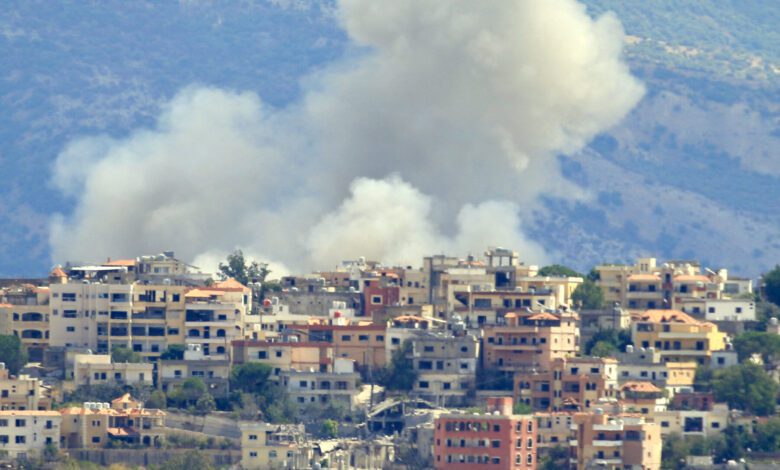
By September 2024, negotiations for a Gaza ceasefire and hostage release had stalled while Israel’s government emphasized continued military pressure on Hamas and expanded operations on other fronts. Families of hostages and many Israeli security figures argued that force alone could not bring every captive home.
A three-phase framework remained on the table
US President Joe Biden had announced a proposal on May 31 that began with a six-week ceasefire, release of some hostages, exchange of Palestinian prisoners, Israeli withdrawal from populated areas and increased humanitarian aid. Later phases aimed at release of remaining hostages, full withdrawal and reconstruction.
Security Council Resolution 2735 endorsed the framework on June 10.
Negotiators disputed whether the war would truly end
Hamas sought guarantees that a temporary pause would become a permanent end to hostilities. Prime Minister Benjamin Netanyahu insisted that Israel retain the ability to resume operations until Hamas’s military and governing capacity was dismantled.
The gap affected the transition from the first phase to later commitments.
The Gaza–Egypt border became a central obstacle
Netanyahu demanded a continuing Israeli presence in the Philadelphi Corridor, a narrow strip along the border, to prevent weapons smuggling. Hamas and Egypt opposed that condition, and mediators said it complicated the withdrawal terms.
Technical monitoring proposals could not resolve the parties’ deeper distrust.
Six hostage deaths intensified public anger
Israeli forces recovered the bodies of six hostages at the start of September. Large protests and a brief labour strike demanded a deal, with families accusing the government of sacrificing captives for strategic or political objectives.
The government blamed Hamas for the killings and argued that concessions under pressure could encourage future abductions.
Military pressure imposed enormous civilian costs
Israeli operations killed Hamas commanders and degraded infrastructure, but also killed large numbers of Palestinians, displaced most of Gaza’s population and damaged homes, hospitals and essential services. Gaza health figures did not always distinguish civilians and combatants in their headline total.
That limitation did not negate the documented scale of civilian suffering.
Hamas retained responsibility for hostages and attacks
Hamas and other armed groups killed civilians and took hostages during the October 7, 2023 attack and continued holding people in Gaza. Hostage-taking and deliberate attacks on civilians violate international law.
Those crimes do not remove Israel’s separate duties toward Palestinian civilians.
Regional escalation reduced diplomatic space
Israel shifted attention toward Hezbollah after months of cross-border fire displaced communities in northern Israel and southern Lebanon. Senior Israeli officials increasingly framed military initiative as the route to restored deterrence.
A broader war risked further diverting resources and making a Gaza agreement harder.
A negotiated deal remained necessary
Military operations could alter bargaining conditions, but freeing dispersed hostages, securing sustained aid and deciding postwar governance required political arrangements. Mediators from the United States, Egypt and Qatar continued working despite the impasse.
The September story was not that talks had formally ended; it was that leaders were giving them less practical priority while battlefield decisions accelerated. A defensible agreement needed verifiable security provisions, release of all hostages, protection of civilians and a credible route beyond recurring war. Delay carried measurable human costs for both captives and Gaza’s population.