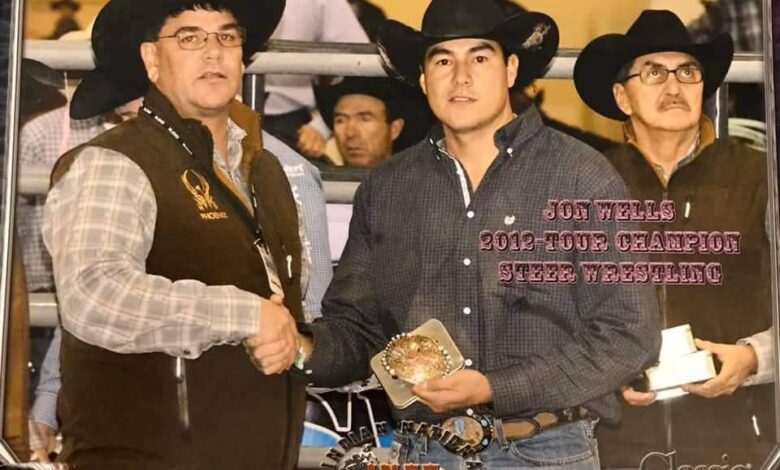
The Blood Tribe mourned Jon Wells, a 42-year-old accomplished rodeo competitor who died after Calgary police restrained him at the Carriage House Hotel and Conference Centre on September 17, 2024. Alberta’s police watchdog opened an independent investigation into the officers’ actions and the circumstances of his death.
Wells was known throughout the rodeo community
Friends and relatives remembered him as a committed family and community member and a highly competitive steer wrestler. He was named the Indian National Finals Rodeo’s 2012 Steer Wrestling Tour Champion.
That record explains the loss beyond the police encounter that brought his name into national news.
Police responded to a hotel disturbance call
Calgary police said they were called shortly before 1 a.m. after a report that a man was causing a disturbance and refusing to leave. Initial police statements described erratic behaviour, attempted de-escalation, a struggle, use of a conducted-energy weapon and pepper spray, followed by medical distress.
Those statements were one participant agency’s account, not the final investigative finding.
The watchdog published additional details
The Alberta Serious Incident Response Team said body-worn video captured the initial interaction. Its preliminary account said Wells stood with his hands visible and had no weapon, appeared confused, and was later restrained face down. Emergency medical personnel administered a sedative after he had been handcuffed.
He became unresponsive and was pronounced dead despite medical efforts.
Investigation must precede conclusions
ASIRT investigates incidents involving Alberta police that may have caused serious injury or death. Its work can include video, witness interviews, medical records, use-of-force evidence and an autopsy.
Opening an investigation did not itself establish criminal liability, and the absence of an immediate charge did not resolve whether force or care was appropriate.
The family and Blood Tribe sought accountability
Community leaders called for a thorough, transparent process and later said a formal complaint would be filed concerning the officers involved. Hundreds participated in a memorial march on the National Day for Truth and Reconciliation.
Public accountability must include understandable findings and a response to any systemic recommendations.
The death had a wider Indigenous context
Advocates noted a cluster of Indigenous deaths during police interactions across Canada in the preceding weeks. Each case required separate evidence, but the pattern intensified concern about racism, crisis response, restraint and implementation of previous inquiry recommendations.
Responsible coverage can explain that context without treating different incidents as legally identical.
Language matters in an unresolved case
Reports should say Wells died after or during a police-custody interaction, and attribute disputed details. Words such as murder, accident or justified force would assert conclusions that an investigation and any court process must establish.
Descriptions of perceived behaviour should not eclipse the fact that he was a person in medical distress.
His life should not be reduced to his death
Wells was a champion, mentor and loved relative before he became the subject of a watchdog file. Preserving those facts counters a common pattern in which Indigenous people are remembered publicly only through contact with authorities.
The essential follow-up is evidence: the medical cause of death, the complete sequence of restraint and treatment, whether policies and law were followed, and what action follows. Until those findings are released, accuracy requires restraint, while respect requires keeping Jon Wells’s name, achievements and grieving community at the centre of the story.