
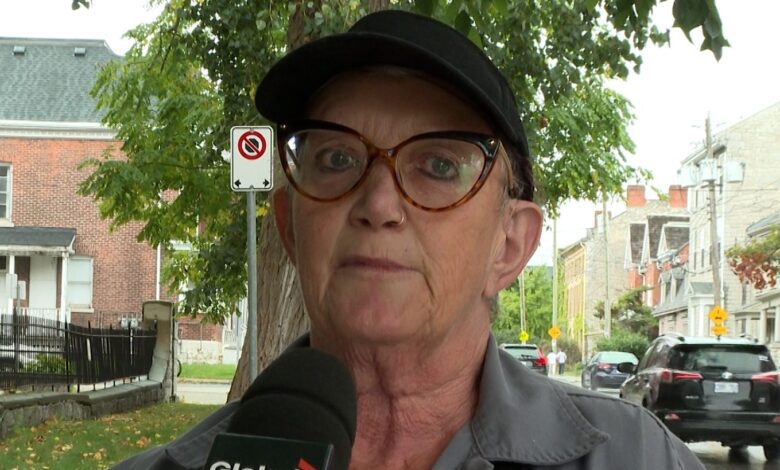
A Toronto senior identified as Vince saved for months to buy an electric bicycle that allowed him to travel between jobs and carry work tools. When the bike was stolen in 2024, the loss threatened income and mobility rather than merely taking a recreational possession.
The e-bike functioned as work equipment
Vince reportedly used several jobs and depended on the bicycle to move efficiently across the city. Its electric assistance made longer trips and heavy tools manageable.
Replacement cost therefore understated the effect of missed work, slower travel and lost independence.
He had made a substantial personal investment
Saving over months demonstrated that the purchase was not easily repeatable. Lower-income workers often buy essential equipment without insurance or enough emergency savings to replace it.
Theft can push a person back toward higher transit costs or lost shifts.
A community fundraiser sought replacement
Supporters organized an online appeal describing the bike’s role in Vince’s daily life. Crowdfunding can respond quickly when formal assistance is unavailable.
Donors should verify the organizer, beneficiary and withdrawal plan before sending money, especially when a sympathetic story circulates widely.
Bike theft is an organized market problem
Stolen bicycles may be disassembled, resold online or transported beyond the city. Individual locks cannot defeat every targeted attack.
Police reporting, serial-number registries and cooperation from resale platforms can make trafficking harder.
Secure parking is public infrastructure
Workers need protected storage at job sites and transit stations. A strong lock attached to a fixed rack is basic protection, but indoor or monitored facilities provide greater security for expensive e-bikes.
Landlords and employers can reduce risk through accessible storage rather than banning batteries indiscriminately.
Battery safety needs separate care
Owners should use compatible certified chargers, avoid damaged batteries and follow building rules designed around real fire risks. Safety requirements should not become an excuse to remove a low-cost mobility option.
Clear charging facilities can improve both access and safety.
Victims should preserve identifying records
Receipts, photos, serial numbers and distinctive modifications help police and buyers identify a recovered bike. A prompt report may also be required for an insurance claim.
People should not confront a suspected seller without police advice.
The story showed transport vulnerability
An e-bike can expand employment access for older adults and people who cannot afford a car. That benefit disappears quickly when secure storage and replacement protection are absent.
Community generosity could help Vince recover, but cities also needed prevention, registration and resale enforcement. Treating utility bicycles as essential transport would produce policy more proportionate to the economic harm caused when they are stolen.
Insurance products should explain battery and theft coverage in plain language, including depreciation and lock requirements. Employers could offer a secure room or permit a worker to bring a removable battery inside. Police could publish recovery rates and locations without exposing victims. These measures spread responsibility across owners, businesses, platforms and government instead of implying that one stronger lock can solve a profitable, organized theft market.
Affordable replacement assistance could protect a worker’s income after an unavoidable loss.



