Live Updates: Thousands Flee Southern Lebanon as Israel Launches More Strikes on Hezbollah
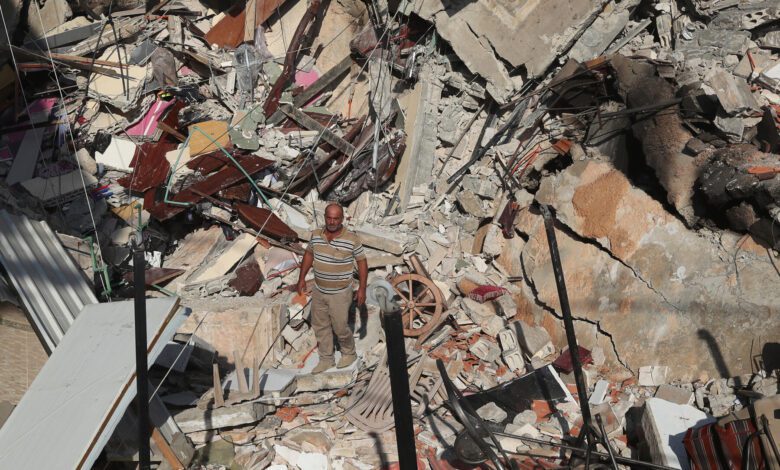
Tens of thousands of people fled southern and eastern Lebanon as Israel dramatically expanded airstrikes against Hezbollah on September 23 and 24, 2024. Highways toward Beirut became jammed, shelters opened and families crossed into Syria while casualty figures rose rapidly.
The immediate escalation was exceptionally intense
Israel said it struck more than 1,000 Hezbollah-linked targets, including weapons and launch infrastructure. Lebanese authorities reported hundreds of deaths and more than a thousand injuries on the first day.
Numbers changed quickly, so reports needed dates, attribution and later correction.
Evacuation messages reached civilians
Israel called or messaged residents in areas where it alleged Hezbollah stored weapons. Some warnings were broad, came with limited time or reached people far from the border.
A warning can help people escape but does not make every subsequent strike lawful.
Travel itself became dangerous
Vehicles crowded the main northbound routes, fuel and transport were limited, and families did not always know where they could stay. People with disabilities, older residents and hospital patients faced greater barriers.
Humanitarian corridors require notification, deconfliction and respect from armed actors.
Schools became collective shelters
Authorities and aid organizations opened public buildings for displaced households. Rapid shelter expansion needed water, toilets, privacy, medication and protection for children and women.
Registration helps reunite families and plan supplies but must protect personal data.
Host communities carried much of the response
Relatives, municipalities and volunteers received people in Beirut and other regions. Informal hospitality can fill the first gap before international aid arrives.
It also places financial and housing pressure on communities already affected by Lebanon’s economic crisis.
Hezbollah fire remained part of the conflict
The group launched rockets toward Israel and said its attacks supported Gaza. Israeli civilians had also been displaced from northern communities for months.
Acknowledging those attacks does not diminish the documented scale of Lebanese civilian harm.
UN agencies mobilized under pressure
OCHA, UNICEF, UNFPA, UNHCR and partners supported shelter, health and protection. The rapidly changing population made needs difficult to count.
Appeals required funding, safe access and functioning Lebanese institutions to distribute assistance.
The later scale showed this was not a brief movement
Displacement expanded dramatically as the war continued, eventually reaching about one million people by Lebanese and UN accounts. A November cessation of hostilities provided relief but did not erase losses or resolve every violation.
The September exodus was therefore the start of a humanitarian emergency, not traffic around an isolated operation. Reporting should centre safe shelter, civilian protection and the legal obligations of all parties while following diplomacy toward a durable ceasefire.
Recovery required assessing damaged homes, schools, farms and health facilities before return. People needed information about unexploded ordnance and whether basic services functioned. A ceasefire announcement alone could not make every village safe. Aid agencies and Lebanese authorities had to publish accessible guidance while protecting displaced families from eviction, exploitation and political discrimination. Those needs continued after the highway images disappeared from international news.
Long-term funding should follow verified needs rather than political affiliation or visibility.