
In Beirut, Israel’s Strikes Stoke Fears of War
Israeli airstrikes across Lebanon in September 2024 brought the prospect of full-scale war into Beirut after nearly a year of border fighting with Hezbollah. Residents faced displacement, school closures, hospital pressure and memories of earlier conflicts while neither side showed a clear route to de-escalation.
The conflict moved beyond the border
Exchanges had been concentrated in southern Lebanon and northern Israel, displacing communities on both sides. Strikes then expanded into the Bekaa Valley and Beirut’s southern suburbs.
Greater geographic reach exposed many more civilians and strained national systems.
Israel said it targeted Hezbollah
The military described launchers, weapons stores and commanders as objectives and warned some residents to leave buildings or areas. Hezbollah embeds infrastructure in populated regions, according to Israel.
Warnings do not remove the duty to distinguish targets, assess proportionality and take feasible precautions.
Hezbollah continued firing rockets
The Iran-backed group launched salvos toward northern and increasingly deeper parts of Israel, saying it was responding to attacks and supporting Gaza. Rockets threatened civilians and prolonged displacement.
Indiscriminate attacks are unlawful regardless of the cause invoked.
Roads filled with people fleeing north
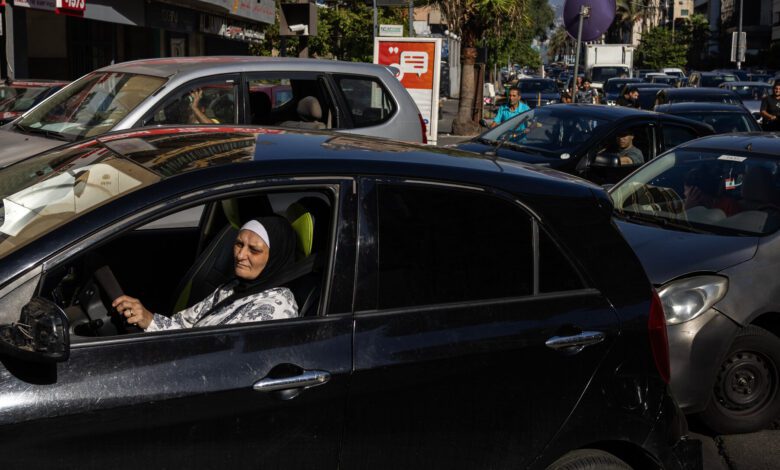
Families from southern and eastern towns sought safety in Beirut, Mount Lebanon and beyond. Congestion turned journeys into hours-long ordeals, and shelters rapidly opened in schools.
Displacement created urgent need for food, medicine, sanitation and reliable information.
Lebanon was already economically vulnerable
Currency collapse, poverty and weakened public services limited the state’s ability to respond. Many Lebanese households and Syrian or Palestinian refugees had few resources for relocation.
Humanitarian plans needed to protect people according to need rather than nationality or sect.
Beirut carried memories of previous destruction
The civil war, the 2006 Israel–Hezbollah war and the 2020 port explosion shaped public fear. New explosions could trigger trauma even when an immediate neighbourhood was not hit.
Mental-health and family-reunification support belonged in the emergency response.
Diplomacy focused on Resolution 1701
The 2006 UN resolution called for cessation of hostilities, Israeli withdrawal and no unauthorized armed forces south of the Litani River. Its incomplete implementation left the same security structure unresolved.
A ceasefire required commitments and monitoring from Israel, Lebanon and Hezbollah’s political sponsors.
Civilian protection could not wait for a settlement
Hospitals, aid routes and shelters needed protection while diplomats negotiated. Casualty figures should be sourced and updated rather than used as competing propaganda.
The fear in Beirut was rational: escalation had already killed hundreds and displaced tens of thousands. Accurate coverage had to explain military claims and Hezbollah fire without losing sight of civilians living beneath them.
Authorities and media also needed to challenge rumours spreading through messaging apps, since false evacuation notices could produce panic or direct people toward unsafe routes. Verified maps, shelter information and emergency numbers were practical protection. International diplomacy should not treat Lebanese civilians as leverage between Israel, Hezbollah, Iran and the United States. Their safety was an immediate legal and humanitarian obligation independent of any party’s strategic narrative.
Humanitarian access also required reliable deconfliction and accountability when protections failed.



