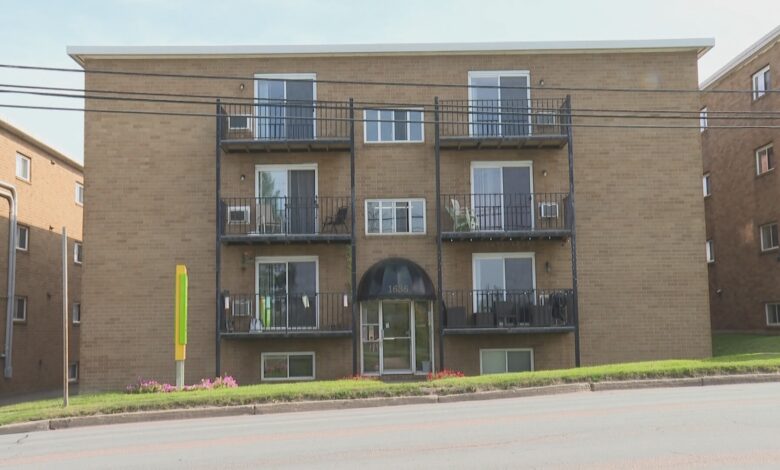
Moncton non-profit Rising Tide Community Initiatives said in September 2024 that its supportive-housing program had completed homes for 117 tenants but needed additional operating support as demand grew. The appeal highlighted the difference between financing buildings and sustaining the services that help people remain housed.
Rising Tide was building 153 homes
The organization reported total capital support of about $19.5 million from the federal government, New Brunswick and the City of Moncton. Of the planned units, 117 were complete and the remaining 36 were expected in 2025.
Capital funding created physical capacity, but it was not the same as an annual care budget.
Supportive housing combines a home with services
Tenants may need case management, nursing access, help with income and identification, mental-health or addiction care, and assistance maintaining a tenancy. The appropriate mix varies by person.
A lease provides security; voluntary, adequately funded support can address barriers that previously made housing unstable.
Community agencies delivered much of the support
Rising Tide worked with partners including Crossroads for Women, Harvest House Atlantic, the YWCA and YMCA. Those organizations brought relationships and specialized skills while Rising Tide focused on housing.
Partnerships require clear responsibilities and dependable money so tenants do not lose help when a short grant ends.
Success should mean more than occupancy
Housing 117 people was a meaningful output, but the long-term measures include tenancy retention, health and safety, moves into independent housing when desired, and reductions in shelter or emergency-service use.
Programs should report aggregate results while protecting tenants’ identities and medical information.
Surging demand reflected a larger shortage
Rising rents, low vacancy, poverty and complex health needs were increasing homelessness across Canadian cities. A supportive-housing provider cannot compensate for an inadequate supply of deeply affordable homes throughout the regional market.
Prevention through rent assistance and eviction support is also cheaper and less traumatic than waiting for homelessness.
Funding debates should distinguish costs
Land acquisition and construction are one-time capital expenses, while salaries, utilities, maintenance and tenant services recur. Announcing a building without a realistic operating plan can leave units under-supported.
Multi-year agreements let providers retain staff and plan care more effectively than repeated emergencies.
Tenants are residents, not program statistics
People living in supportive housing have privacy and tenancy rights. Public storytelling should be voluntary and should not require residents to disclose trauma to justify a home.
Neighbourhood engagement can answer operational concerns without publishing personal histories or stigmatizing an address.
The funding request was evidence of growth and vulnerability
Rising Tide had demonstrated that governments and non-profits could convert public investment into occupied homes. Its next challenge was ensuring that expanding capacity did not dilute the support attached to each tenancy.
A responsible response would examine audited costs, service intensity and outcomes, then fund an appropriate multi-year model. The 117 completed homes showed tangible progress; the continuing demand showed why a single project could not end homelessness in Greater Moncton. Stable operating support, more affordable housing and prevention must advance together.
Governments should also make application pathways understandable, coordinate waiting lists and ensure French and English service. A system that is difficult to enter can leave the people with the greatest needs outside even when new units become available.