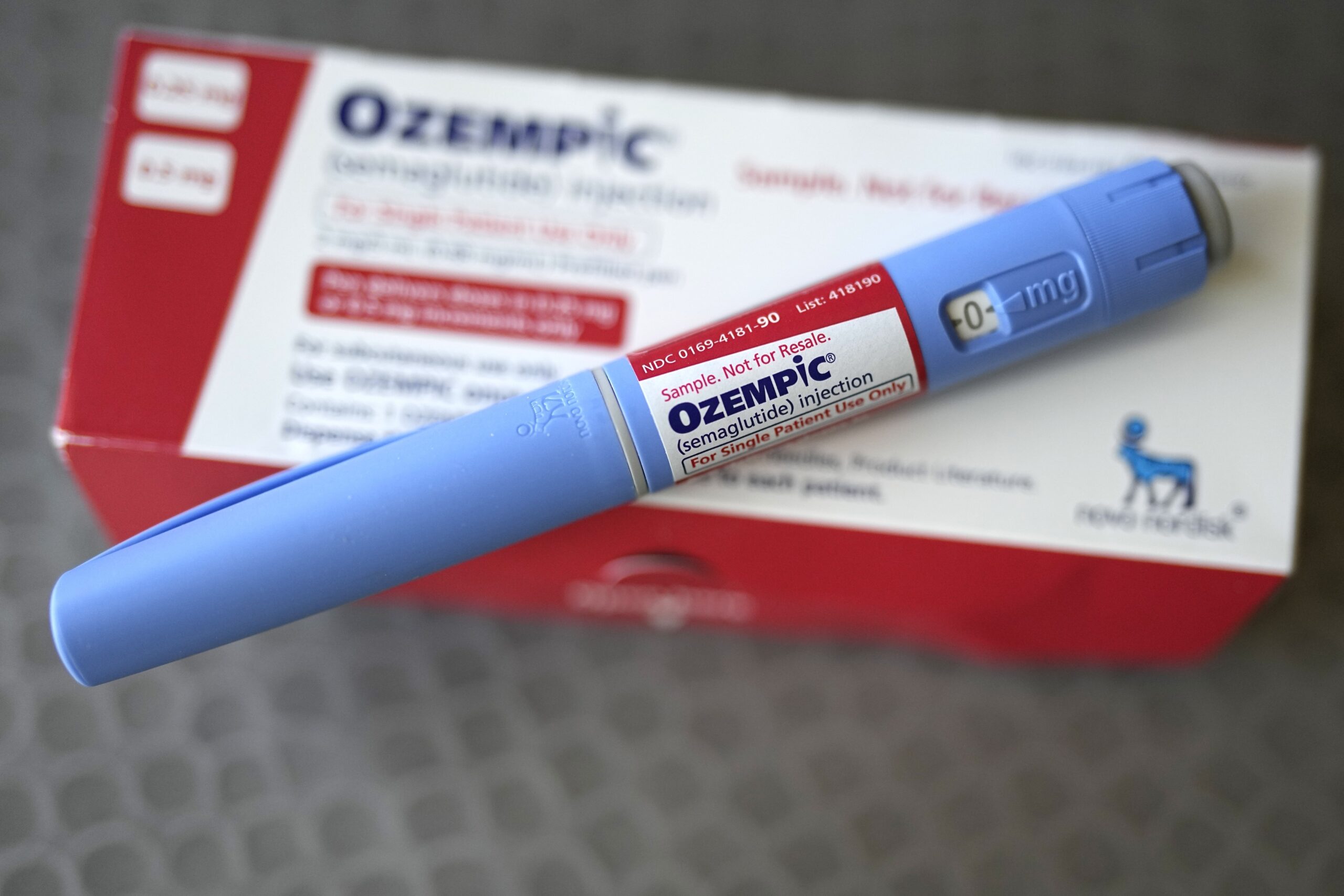
An observational study published in JAMA Network Open in September 2024 found that people with type 2 diabetes and opioid use disorder who received semaglutide had fewer recorded opioid overdoses than similar patients taking other diabetes medicines. The association was promising, but it did not prove that semaglutide prevents overdose.
Researchers analysed electronic health records
The team used de-identified records from a large United States health-network database. It compared patients prescribed semaglutide with groups prescribed insulin, metformin and other glucose-lowering drug classes.
Statistical matching attempted to balance known characteristics. It cannot reproduce the random assignment and close monitoring of a clinical trial.
The observed risk was substantially lower
Across comparisons, semaglutide use was associated with roughly 42 to 68 per cent lower overdose risk during a one-year follow-up. The pattern appeared across several patient subgroups.
A relative reduction does not show how many individual overdoses were prevented, and database coding may miss events or diagnoses.
Association is not causation
Patients who receive a newer injectable medicine may differ in income, insurance, healthcare engagement, illness or adherence from those receiving another drug. Researchers can adjust only for factors recorded accurately.
Reverse causation and prescribing decisions may also influence results. The study generated a hypothesis suitable for trials rather than a new clinical indication.
There is a biologically plausible question
Semaglutide activates the GLP-1 receptor and is approved for type 2 diabetes and, in specific formulations, chronic weight management. Animal research suggests GLP-1 signalling may affect reward pathways and drug-seeking behaviour.
Promising mechanisms in rodents frequently fail to become safe, effective treatments in humans, so laboratory evidence cannot close the gap.
Established opioid treatments save lives
Buprenorphine and methadone have strong evidence for reducing mortality and illicit opioid use. Extended-release naltrexone may help selected patients after detoxification.
Semaglutide should not replace these medicines, naloxone access or harm-reduction services outside a properly designed study.
The drug has risks and access constraints
Common adverse effects include nausea, vomiting, diarrhoea and constipation. More serious concerns and contraindications require a clinician’s assessment, and rapid weight loss or dehydration can complicate care.
Cost and shortages also make off-label promotion ethically problematic when evidence remains preliminary.
Randomized trials are the necessary next step
A trial could define opioid-use outcomes in advance, verify overdoses, measure cravings and retention, and track adverse events. It would also reveal whether any benefit comes from semaglutide itself or differences between patient groups.
Researchers would need safeguards because overdose is a potentially fatal endpoint and withholding effective standard treatment would be unacceptable.
Patients should not change treatment from this study
Anyone with opioid-use disorder can discuss evidence-based medication with a qualified clinician and keep naloxone available. In a suspected overdose, emergency help and naloxone are urgent; semaglutide has no rescue role.
The finding was scientifically important because it identified a possible avenue for rigorous research and future clinical treatment development. Its responsible interpretation remains cautious: encouraging evidence for investigation, not authorization to prescribe a diabetes drug as an overdose-prevention therapy outside established medical care.