
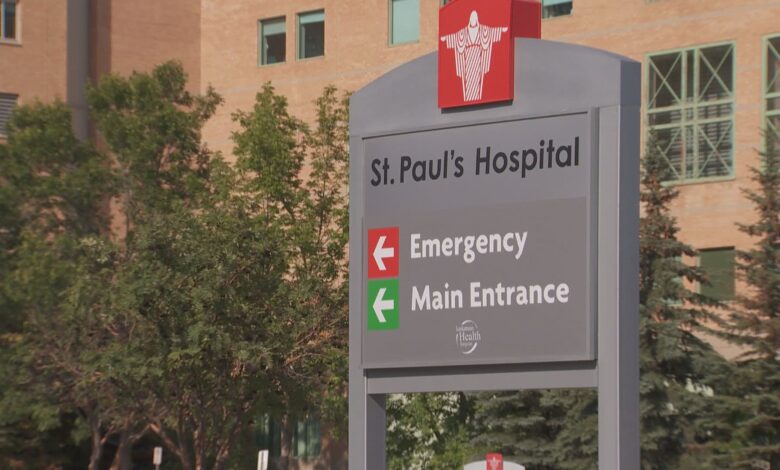
St. Paul’s Hospital Foundation in Saskatoon launched a C$10-million “By Your Side” campaign in September 2024 to expand kidney care, education and support. The plan responded to a heavy burden of chronic kidney disease in Saskatchewan and aimed to help patients before, during and after kidney failure.
A new centre anchored the campaign
The foundation planned a Kidney Health and Education Centre at St. Paul’s Hospital. It would bring teaching, navigation and transition support into a more coordinated patient setting.
A dedicated centre can reduce the confusion of moving among specialists, tests, dialysis choices and community services, particularly for people travelling from northern or rural communities.
Chronic kidney disease can progress silently
Kidneys filter waste, balance fluid and help regulate blood pressure and red-blood-cell production. Damage may advance for years before obvious symptoms appear.
Diabetes and high blood pressure are major risk factors. Blood and urine tests can identify reduced function or protein loss, allowing earlier treatment.
Prevention was part of the proposal
Kidney care is not limited to dialysis. Education about medication, blood-pressure control, diabetes management and nutrition can slow progression for some patients.
Advice must be individualized. People should not stop prescribed medicines or adopt restrictive diets based on general online guidance.
Transition support helps patients make choices
When kidney failure approaches, patients may consider in-centre hemodialysis, home dialysis, peritoneal dialysis, transplantation or conservative care. Medical eligibility and personal circumstances differ.
Early, understandable counselling gives patients and families time to prepare equipment, transport, housing and employment arrangements rather than deciding during a crisis admission.
Home treatment can increase independence
For suitable patients, home dialysis may reduce travel and allow schedules that better fit family life. It requires training, reliable utilities, storage and continued clinical support.
It should be offered as an informed option, not imposed as a cost-saving measure on someone whose home or health makes it unsafe.
Saskatchewan faces geographic barriers
Specialized kidney services are concentrated in larger centres, while patients may live hundreds of kilometres away. Repeated travel creates expense, fatigue and time away from work or family.
Partnerships with local and Indigenous health services can improve continuity, but programmes must be designed with communities rather than simply transferred from an urban model.
Philanthropy complements public funding
Foundation campaigns can finance space, equipment and programmes more quickly. Core clinical access and staffing, however, remain responsibilities of the public health system.
Donors deserve transparent reporting on how money is allocated, what government funds cover and which patient outcomes the campaign improves.
The goal was care through an entire journey
The foundation estimated that about one in ten Saskatchewan residents lived with chronic kidney disease. Even allowing for differences in stage and diagnosis, that scale makes early support a public-health priority.
Success should be measured with patient experience as well as clinical statistics, including whether people understand their choices, can attend appointments and feel supported during disruptive changes in health.
The campaign’s promise was strongest when translated into shorter waits, informed treatment choices, fewer avoidable emergencies and care closer to home. Fundraising was the beginning; equitable delivery would determine its value.



