
Crisis at The Jewish Chronicle: Fabrications and Resignations
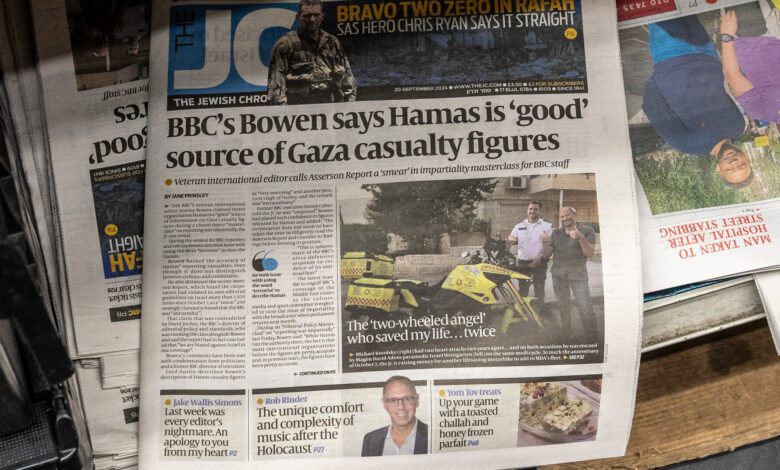
The Jewish Chronicle removed a series of articles about the Gaza war in September 2024 after determining that it could not stand behind claims made by freelance writer Elon Perry. The withdrawals, an apology and resignations by prominent columnists exposed failures in source verification and renewed questions about the British newspaper’s governance.
A purported intelligence report drew scrutiny
One disputed story claimed that Hamas leader Yahya Sinwar planned to escape Gaza through the Philadelphi Corridor with Israeli hostages. It relied on unnamed intelligence sources and appeared amid an intense Israeli debate over maintaining military control along Gaza’s border with Egypt.
Israeli journalists challenged the account, and an Israeli military spokesperson said the reported material was unknown and baseless. A politically useful claim still required independent evidence.
The contributor’s credentials were questioned
Perry had presented himself as an experienced journalist, academic and former soldier with exceptional access. Media investigations found discrepancies and could not confirm important parts of that résumé.
Credentials do not prove a particular article true, but verification of identity, employment and expertise is a basic step before a newsroom grants repeated access to publication.
The newspaper withdrew the work
On September 13, the Chronicle said it was not satisfied with some of Perry’s claims. It removed his stories, ended its association with him, apologized to readers and said it had reviewed internal processes.
Perry maintained that his sources were legitimate. Removing articles was therefore a decision by the publisher about evidence it could defend, not a judicial finding against the writer.
Columnists said the problem was broader
Jonathan Freedland, David Aaronovitch, David Baddiel and Hadley Freeman were among contributors who resigned. Their public statements linked the immediate fabrication concerns to editorial judgment and accountability.
Resignation is not proof of every criticism, but losing established voices demonstrated serious damage to confidence within the publication itself.
Ownership questions complicated accountability
A consortium had rescued the Chronicle from liquidation in 2020. Later statements described a transition toward trust or charitable ownership, while public filings and reporting left readers uncertain about who ultimately financed or controlled the title.
Legal ownership, editorial control and donor influence are not necessarily identical. Transparent governance allows readers to assess possible conflicts without assuming that every editorial decision was directed by an owner.
The regulator examined what failed
The Independent Press Standards Organisation reviewed the circumstances and met the Chronicle’s leadership between 2024 and 2025. The newspaper said unexpected staff absences contributed to copy bypassing its usual verification process.
IPSO identified shortcomings in onboarding and supervising freelance contributors. It chose continued oversight rather than a formal standards investigation after considering the publisher’s response and broader compliance record.
Procedural reforms followed
The Chronicle introduced stronger checks for freelancers and columnists, expanded the managing editor’s standards role, added newsroom staff and undertook further training. IPSO said it would continue monitoring and provide guidance on confidential sources.
Policies matter only if editors can slow publication, demand corroboration and reject an exclusive when verification fails. Staff absence cannot become permission to lower the evidentiary threshold.
War reporting demands exceptional discipline
Anonymous security sources may reveal information that officials cannot state publicly, but they can also transmit propaganda or factional interests. Editors should know a source’s identity, establish access, seek independent confirmation and explain uncertainty to readers.
The Chronicle’s response removed material it could not support and began procedural repair. Restoring trust requires more: transparent corrections, clarity about governance and evidence that safeguards work during the next high-pressure story. The lasting lesson applies to every newsroom—speed and ideological fit are never substitutes for verification.



