More than 100 residential-school survivors were among the first people to enter Toronto’s Spirit Garden when the permanent space opened at Nathan Phillips Square on September 30, 2024. The ceremony formed part of Ontario’s National Day for Truth and Reconciliation observances and followed seven years of Indigenous-led planning.
The garden occupies a civic centre
Located beside Toronto City Hall, the roughly 20,650-square-foot space places Indigenous history within one of Canada’s most prominent public squares. It is intended for ceremony, teaching, reflection and healing rather than functioning only as decorative landscaping.
Its central location asks residents and officials to encounter the history in everyday civic life, not only at distant heritage sites.
Indigenous leadership shaped the project
Toronto Council Fire Native Cultural Centre led the initiative in partnership with the city. Funding came from the organization, the municipal government and the federal government.
That leadership matters because memorials about Indigenous experience can repeat exclusion if governments control the meaning, design and ceremonies without the affected communities.
The design carries cultural teachings
The garden brings together elements reflecting First Nations, Inuit and Métis traditions while recognizing that those peoples are distinct. Plantings, gathering areas, art and teaching features create places for both public learning and community use.
Visitors should approach the symbols as invitations to learn, not as interchangeable decoration. Cultural interpretation is strongest when it comes from the artists, Elders and organizations responsible for the space.
It responds to a national Call to Action
The Truth and Reconciliation Commission’s Call to Action 82 asked provincial and territorial governments, with survivors and Indigenous organizations, to commission publicly accessible residential-school monuments in each capital city.
Toronto is Ontario’s capital. Opening the Spirit Garden partially answered that call, while its ongoing value depends on programming, maintenance and access for Indigenous communities.
The history demands more than symbolism
For more than a century, the residential-school system removed First Nations, Inuit and Métis children from family and culture. Government-funded institutions, many operated by churches, exposed children to forced assimilation, abuse, neglect and disease.
The Truth and Reconciliation Commission recorded thousands of deaths and described the system as cultural genocide. Incomplete records mean communities are still searching for missing children and burial locations.
September 30 joins two observances
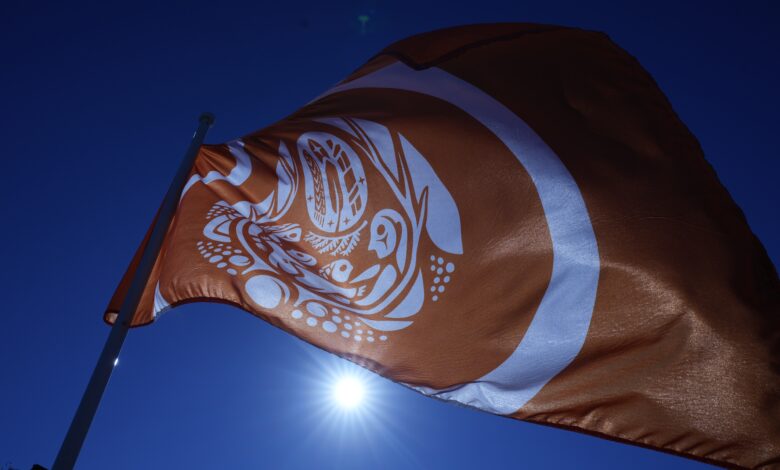
The federal National Day for Truth and Reconciliation was established in response to Call to Action 80. The same date is Orange Shirt Day, rooted in survivor Phyllis Webstad’s account of having her orange shirt taken at residential school.
Wearing orange communicates that every child matters, but clothing is not a substitute for learning the history or changing institutions.
Survivors set the tone at the opening
Having survivors enter first recognized that the garden concerns lived experience, family loss and survival. Public officials attended, including Toronto’s mayor and representatives of the provincial and federal Crown.
The presence of officials carried responsibility as well as ceremony. Governments control records, services and policies central to many outstanding Calls to Action.
A memorial should create continuing work
Residents can use the garden to listen, attend Indigenous-led events and study the commission’s 94 Calls to Action. Schools and organizations should prepare visitors with accurate material and avoid turning survivor testimony into spectacle.
The Spirit Garden gives grief and resilience a permanent place at Toronto’s civic heart. Its success will not be measured only by attendance on opening day, but by whether it supports survivors, teaches truthful history and keeps governments accountable after the ceremonies end.