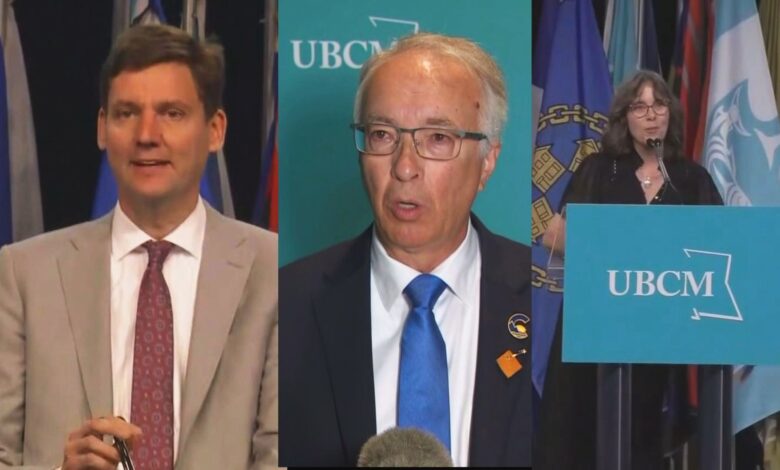
British Columbia’s three principal party leaders met for a live CKNW radio debate on October 2, 2024, giving voters an early direct comparison before the October 19 provincial election. Host Mike Smyth moderated the exchange among NDP Leader David Eby, Conservative Leader John Rustad and Green Leader Sonia Furstenau.
The political landscape had changed quickly
The campaign was unusual because BC United suspended its campaign in August, leaving the resurgent Conservatives as the main challenger to the governing NDP. The Greens remained a smaller party with the potential to influence a close legislature.
That realignment meant many voters were assessing unfamiliar candidates and policies. A live debate could test whether campaign slogans held up under follow-up questions.
Affordability dominated the discussion
Housing costs, rents, taxes and household expenses shaped much of the exchange. Eby defended government measures intended to increase housing supply and assistance, while Rustad argued the province needed lower costs and a different regulatory approach.
Furstenau challenged both larger parties to address the underlying shortage, social housing and the effects of inequality. Competing promises required scrutiny of cost, delivery dates and which level of government could actually implement them.
Health care exposed common pressure points
All three leaders acknowledged shortages of family doctors, emergency-room disruptions and long waits. They differed over the role of private delivery, workforce planning and whether the NDP’s programmes were producing results fast enough.
For voters, the useful distinction was between paying a private operator with public funds and making patients pay for care. Campaign language sometimes blurred those separate policy questions.
The toxic-drug crisis produced sharp disagreement
British Columbia’s overdose emergency forced discussion of treatment, harm reduction, public drug use and community safety. Rustad called for a greater focus on recovery and involuntary care in limited circumstances. Eby defended a mix of treatment and harm-reduction measures while acknowledging public-order concerns.
Furstenau argued that evidence, housing and mental-health care should guide the response. No single intervention could resolve a crisis involving a contaminated supply, addiction, poverty and gaps in care.
Climate and energy separated the parties
The leaders debated carbon pricing, emissions and the cost of climate policy. Rustad opposed the consumer carbon tax and questioned elements of the province’s climate framework. Eby defended climate action while adapting his position to possible federal changes.
Furstenau pressed for stronger emissions policy and warned against treating climate risk as optional. Voters also had to weigh wildfire, flood and insurance costs that do not appear as a line on a fuel bill.
Credibility became part of the contest
Eby questioned statements made by Conservative candidates and challenged Rustad on conspiracy claims. Rustad attacked the NDP’s record on crime, affordability and public services. Furstenau criticized the confrontation and argued that neither major party was addressing root causes.
A debate can reveal temperament and command of detail, but it cannot independently verify every statistic. Platforms, budgets and non-partisan election information remain necessary checks.
The election produced a narrow result
After recounts and final count, Elections BC declared 47 NDP candidates elected, 44 Conservatives and two Greens. Eby’s NDP retained a one-seat majority in the 93-member legislature.
The close distribution confirmed why the campaign’s direct encounters mattered. Small changes in a handful of districts could have altered who governed.
The debate was a comparison, not a verdict
Listeners heard clear disputes over services, public safety, housing and climate, as well as personal attacks. The programme gave each leader an opportunity to defend priorities in real time.
Its democratic value depended on what voters did next: checking claims, reading costed commitments and confirming voting details with Elections BC. A forceful answer may win a moment on radio; governing requires legislation, budgets and results that survive longer scrutiny.