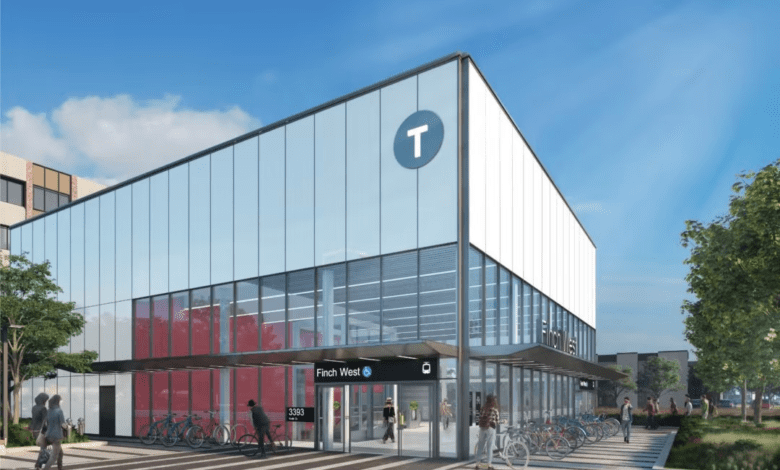
The consortium building Toronto’s Finch West light-rail line took Metrolinx and the Ontario government to court in September 2024, alleging that contractual decisions involving the Toronto Transit Commission blocked formal completion. The dispute illustrated how a nearly finished public project can remain closed when builder, owner and future operator disagree about acceptance.
Mosaic filed a 21-page application
Mosaic Transit Group sought court declarations concerning the project agreement, substantial completion and arrangements among Metrolinx, the province, the City of Toronto and TTC. The consortium argued that operator-related requirements had changed or interfered with its contract.
Those were pleadings by a litigant, not findings of fact. Metrolinx disputed Mosaic’s account and said important work remained.
Substantial completion carried financial consequences
Construction contracts define milestones that release payments, shift risk and start maintenance obligations. A project may look almost complete while failing contractual tests needed for certification.
Conversely, an owner cannot fairly postpone certification indefinitely by adding requirements outside the agreement. That was the kind of issue the legal process was asked to examine.
Three major parties had different roles
Metrolinx procured and owned the line, Mosaic designed and built it, and the TTC was to operate passenger service. The operator needed confidence in vehicles, signals, procedures, training and safety documentation before accepting day-to-day responsibility.
Interface risk grows when contractual responsibility does not match operational expertise. Late operator input can reveal real defects or create disputed rework.
Visible construction was not the whole project
The 10.3-kilometre line included 18 stops from Finch West subway station to Humber College, track, power, signalling, vehicles and a maintenance facility. Road and landscaping finishes were still visible in some areas.
Testing an integrated railway requires repeated reliable operation, not only completed platforms. Small software or communication failures can affect the entire line.
The schedule had already moved repeatedly
The project agreement had contemplated substantial completion in 2023, after earlier public expectations were also revised. Pandemic disruption, utilities, construction and commercial disputes contributed to delay.
Residents along Finch Avenue experienced years of work while lacking a dependable opening date, making transparency a public-service obligation rather than a private contractual preference.
Court pressure did not open the line
Metrolinx publicly urged Mosaic to drop the action and finish outstanding work. Ontario’s premier called for resolution.
Strong statements assigned blame but did not replace testing, certification or settlement. Riders could not use a line simply because one party called it complete.
Passenger service began in December 2025
After further work and revenue-service demonstration, Line 6 Finch West opened on December 7, 2025, with the TTC as operator. The event confirmed that the project ultimately cleared the operational threshold.
Opening did not necessarily dispose of every commercial claim among contractors and agencies. Construction litigation can continue independently of service.
The case is a procurement lesson
Public-private contracts aim to assign risk clearly, but no document eliminates the need for collaboration at operational handover. Owners should involve future operators early, define acceptance tests precisely and publish milestone evidence.
Mosaic was entitled to seek legal interpretation, and Metrolinx was entitled to demand contractual performance. The public needed more than competing accusations. The most meaningful outcome arrived when a tested line carried passengers, though its late opening left legitimate questions about delay, cost and governance that should inform the next transit contract.