
60 Dead After Boat Capsizes in Nigeria
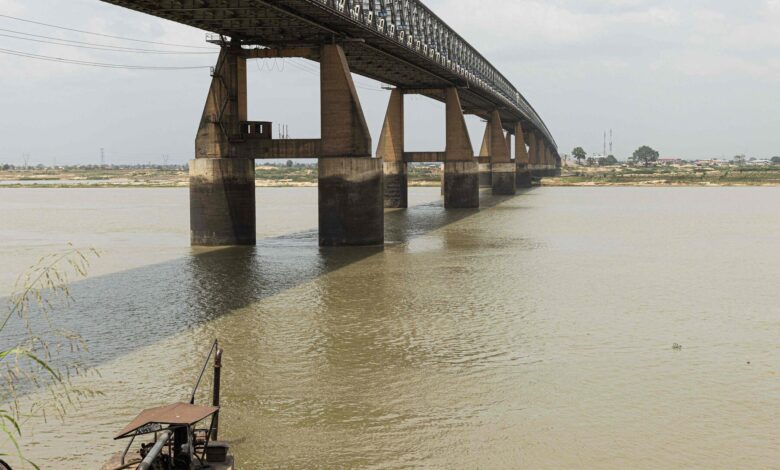
At least 60 people were reported dead after an overloaded wooden boat carrying about 300 passengers capsized on the Niger River in northern Nigeria on October 1, 2024. Local divers and emergency teams rescued roughly 160 people while searches continued.
The passengers were travelling to a religious gathering
The vessel was operating near Gbajibo in Mokwa Local Government Area of Niger State. State officials said many passengers were women and children travelling for a Maulud celebration commemorating the birth of the Prophet Muhammad.
The night-time journey took place upstream of the Jebba dam. Remote river communities often depend on boats because roads and bridges do not provide a practical alternative.
Early casualty figures changed
Initial reports counted 11 recovered bodies and more than 100 people missing. A local government official later said approximately 60 bodies had been recovered and about 160 passengers rescued.
In a disaster involving an uncertain passenger manifest, figures can remain provisional. Some survivors reach shore independently, families report missing relatives at different times and recovery continues over a wide area.
The boat was far beyond reported capacity
Niger State emergency officials said the locally made vessel was designed for about 100 passengers but carried close to three times that number. One official said overloading contributed to the vessel breaking apart.
A full investigation would still need to examine the hull, weather, navigation, loading, crew decisions and availability of safety equipment. Overcrowding was a documented condition, but every contributing factor should be established from evidence.
Community rescuers led the first response
Local divers and volunteers entered the search before or alongside government agencies. Their knowledge of currents and landing points can be decisive in the first hours after a capsize.
They also face danger without proper lighting, flotation equipment, communications or medical support. Emergency planning should equip local responders before an accident rather than depend on improvised heroism afterward.
Life jackets can change the outcome
Many Nigerian inland-water passengers travel without a correctly fitted flotation device. Cost, supply, weak enforcement and pressure to board quickly all contribute.
Life jackets cannot prevent a vessel from sinking, but they give passengers more time for rescue. Children’s sizes, routine inspection and refusal to depart above capacity are as important as simply placing jackets somewhere on board.
The disaster was part of a repeated pattern
Nigeria had recorded several large boat accidents in the preceding years. Poorly maintained vessels, night travel, seasonal flooding, submerged obstacles and overcrowding repeatedly appeared in official and expert accounts.
When roads are absent, banning travel without supplying alternatives can isolate communities. Safety policy must combine enforcement with investment in boats, jetties, weather information and dependable land routes.
Accountability should not stop with the operator
A captain or owner may make an unsafe decision, but regulators also determine licensing, inspections and whether capacity limits are enforced at departure points. Passengers may have little bargaining power when only one boat is available.
Authorities should publish the investigation, identify institutional failures and explain how promised reforms will be funded and checked.
The victims were people, not only a toll
Most reporting could not immediately identify everyone aboard. The absence of a complete manifest made both rescue and family notification harder.
The confirmed scale justified the headline, while the exact total required continuing qualification. At least 60 deaths represented a preventable mass-casualty event on an essential transport route. The durable response is a system in which passenger lists, capacity rules, flotation equipment and trained rescue teams are normal requirements—not measures remembered only after families gather at a riverbank waiting for news.



