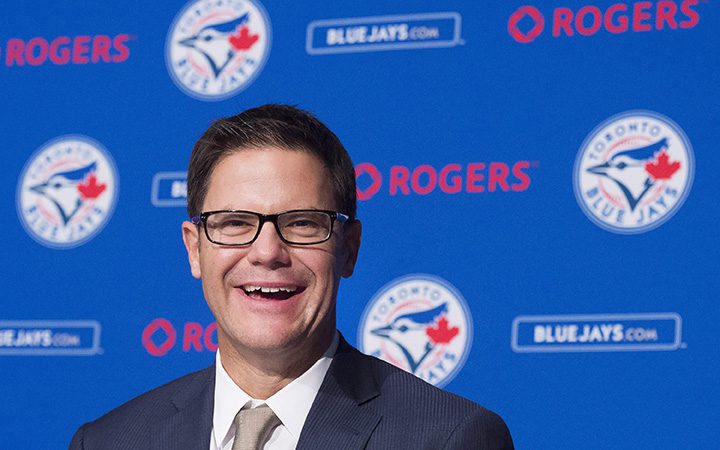
Toronto Blue Jays president Mark Shapiro said after the 2024 season that he saw no basis to dismiss general manager Ross Atkins, despite a 74–88 record and a last-place finish in the American League East. The decision kept baseball leadership intact for another attempt to contend.
The season fell far below expectations
Toronto entered 2024 expecting to compete for a third consecutive postseason appearance. Instead, inconsistent offence, bullpen problems and injuries pushed the club out of contention well before the final week.
The Blue Jays finished 20 games behind in their division. A late series of losses to Miami ended a year in which the team never converted preseason expectations into sustained performance.
Previous playoff appearances shaped the debate
Under Atkins, Toronto reached the postseason in 2020, 2022 and 2023 but did not win a playoff game. Those berths demonstrated regular-season competitiveness, while the early exits and 2024 collapse intensified criticism of roster construction.
Fans were entitled to judge the full record rather than only one poor year. Management likewise had to explain why the same leadership deserved another opportunity.
Shapiro accepted organizational responsibility
The president said the outcome kept him awake and acknowledged that the club had let supporters down. He argued that decisions should be based on a body of work, internal evaluation and the quality of alternatives rather than dismissing an executive to signal action.
His support did not absolve Atkins. It placed responsibility on both men to diagnose why forecasts, player performance and depth had failed.
The offence lacked enough production
Vladimir Guerrero Jr. delivered a strong individual season, but several established hitters missed time or performed below prior levels. Bo Bichette’s injuries sharply reduced his availability, and the lineup often lacked power and consistency around its core.
Front-office decisions on free agents, player development and lineup depth therefore mattered alongside circumstances no executive could fully control.
Pitching depth was also exposed
The rotation included durable performances, but bullpen regression repeatedly turned competitive games into losses. Injuries and ineffective relief options forced the club to cycle through roles.
A major-league roster is more than its opening-day stars. Contending teams need credible replacements and minor-league depth when the expected plan fails.
The trade deadline changed the horizon
Once contention was unrealistic, Toronto traded several players on expiring contracts and acquired younger talent. That approach recovered future value without committing to a full rebuild.
It also made the next offseason more demanding. The club needed immediate major-league improvement while determining whether its prospect return could contribute later.
Keeping Atkins was a decision with a deadline
Guerrero and Bichette were approaching free agency after the 2025 season, making contract and roster choices unusually consequential. Renovations at Rogers Centre and strong fan support had increased expectations for results on the field.
Continuity can preserve a coherent plan, but it can also extend mistakes if leaders evaluate their own work too generously. Clear performance measures were necessary to distinguish patience from inertia.
Accountability required more than a firing
Replacing a general manager does not automatically improve scouting, development or player health. Retaining one does not prove that the season was acceptable.
Shapiro’s “no grounds” conclusion was an executive judgment, not an objective rule. The evidence available to fans showed both earlier playoff qualification and repeated failure to advance, followed by a 74-win season. By retaining Atkins, Shapiro made the next roster plan his own responsibility as well. The proper test was whether the organization learned from specific failures and produced a team capable of converting talent, payroll and public support into meaningful games in October.