Breast-cancer incidence rose among women in the United States during the years covered by an American Cancer Society report published in October 2024, with the fastest increase among women younger than 50. At the same time, the long-term death rate continued to fall, showing that more diagnoses and improving survival can occur together.
Incidence rose about one per cent a year
The report found female breast-cancer incidence increased by roughly one per cent annually from 2012 through 2021. For women under 50, the increase was about 1.4 per cent per year.
Incidence means newly diagnosed cases in a population. It does not show that any individual woman will develop cancer or identify the cause of her disease.
Mortality continued a decades-long decline
The breast-cancer death rate fell by 44 per cent from 1989 through 2022, which the society attributed to earlier detection and advances in treatment. Researchers estimated that hundreds of thousands of deaths were averted over that period.
Progress slowed in more recent years, and falling mortality did not make breast cancer a minor illness. It remained one of the leading causes of cancer death among women.
Outcomes were not equal across groups
Black women had a substantially higher breast-cancer death rate than White women despite a lower overall incidence rate. Differences in tumour subtype, timely diagnosis, treatment access, coexisting illness and exposure to unequal care all contribute.
Asian American and Pacific Islander women experienced the steepest incidence growth in the study. Broad racial categories contain diverse communities, so they should guide further research rather than substitute for individual risk assessment.
Younger women can face different disease patterns
Most breast cancers are diagnosed in older adults, but cases in younger people can be found at later stages and may include more aggressive subtypes. Routine screening recommendations also often begin after the ages described as “young” in population studies.
A rising rate from a lower baseline can sound larger in percentage terms while still representing fewer total cases than in older groups. Both the rate and absolute number matter.
The study did not establish one cause
Researchers have examined reproductive patterns, alcohol, excess body weight, physical activity, genetic susceptibility, environmental exposures and changes in detection. Population trends usually reflect multiple interacting factors.
No patient should be blamed for a diagnosis. Many people with recognized risk factors never develop breast cancer, while others have no obvious avoidable risk.
Screening should match age and risk
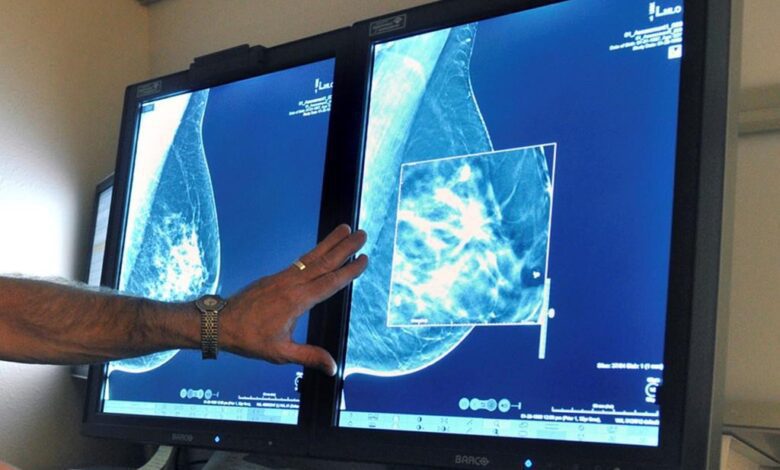
Mammography can detect some cancers before symptoms, but the recommended starting age and interval vary among medical organizations and according to risk. People with strong family history, genetic variants or prior chest radiation may need a different plan.
A new lump, skin or nipple change, unusual discharge or persistent breast change warrants medical assessment regardless of age or the date of a routine screening test.
Better data must produce better access
Reducing deaths requires affordable screening, timely diagnostic follow-up, high-quality pathology and access to effective treatment. A screening invitation has limited value when a patient cannot obtain the next test or take time away from work.
Research should also identify why gains are distributed unevenly instead of treating disparities as inherent biological differences between social groups.
The two trends demand different responses
Declining mortality is genuine evidence of medical progress. Rising incidence, especially among younger women, is a reason for investigation and awareness—not panic or self-diagnosis.
The report describes population trends through defined historical periods and should not be used as personalized medical advice. Individuals concerned about symptoms, family history or screening should consult a qualified clinician. Public-health policy, meanwhile, should protect the treatments driving survival gains while investigating the increase in cases and closing the racial and economic gaps that leave some patients far less likely to benefit.