
Dozens of Migrants Die Off Djibouti After Smugglers Force Them to Swim
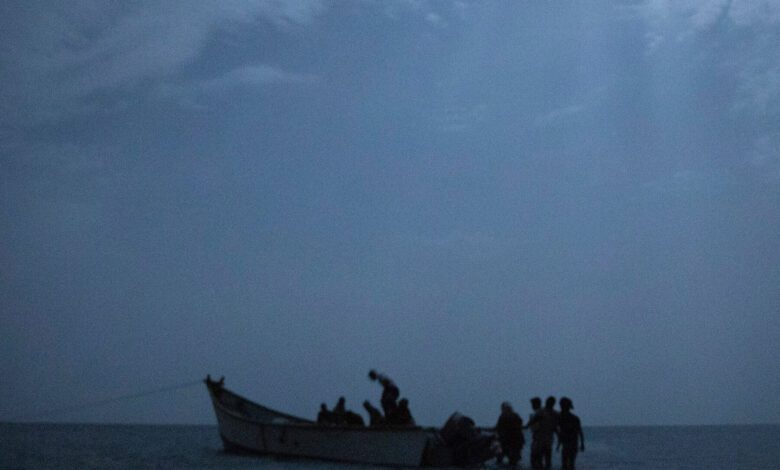
At least 45 migrants died after smugglers forced passengers from two boats into the Red Sea off Djibouti on October 1, 2024, according to the International Organization for Migration. More than 100 people were initially listed as missing, while rescuers searched the coast near Khor Angar.
The boats had departed from Yemen
Approximately 310 people were returning toward the Horn of Africa when operators ordered them overboard before reaching shore. Many had travelled from African countries to Yemen seeking work and were now attempting the route in reverse.
The reason the smugglers forced passengers into the water was not established. Reporting it as an instruction attributed to survivors and the IOM is more accurate than presenting an unproven motive.
Early accounts changed as evidence emerged
The event was initially described as a capsize. The IOM later said smugglers had made the passengers leave and swim, a materially different account of how people entered the water.
Missing-person totals also differed: the IOM cited 111, while Djibouti’s coast guard later gave a lower number. Passenger manifests were incomplete, and rescue and family tracing continued.
The shoreline was close but still deadly
The coast guard placed the incident roughly 150 metres from a beach in northwestern Djibouti. That distance can be fatal at night for exhausted passengers, children, non-swimmers or people without flotation devices.
Currents, panic and overcrowding in the water can separate families within moments. Proximity to land should not be used to blame victims for failing to reach it.
The eastern migration route runs both ways
People from Ethiopia, Somalia and neighbouring states cross Djibouti and the sea toward Yemen, often hoping to reach Saudi Arabia or other Gulf labour markets. Conflict, detention, exploitation and lack of work cause many to attempt a dangerous return.
Yemen’s war has not stopped the route. Instead, it gives smugglers and traffickers more power over people travelling without safe legal options.
Smuggling and trafficking require distinction
Smuggling generally involves paid facilitation of unauthorized movement across a border. Trafficking involves exploitation through force, fraud or coercion and does not require an international crossing.
A migrant can consent to a journey but not to abuse, abandonment or forced labour. Paying an operator does not surrender the right to life or protection.
Local responders recovered survivors and bodies
Djiboutian coast guard personnel and other responders searched water and shoreline while the IOM supported survivors. Immediate needs included medical care, shelter, interpretation and contact with relatives.
Survivors could also be witnesses to serious crimes. Interviews should be trauma-informed and should not delay urgent care or expose them to retaliation.
The tragedy was part of a lethal pattern
The IOM’s Missing Migrants Project had recorded hundreds of deaths and disappearances on the eastern route. The true number is likely higher because many journeys and losses are never documented.
Arresting individual boat operators can address immediate culpability, but networks persist where demand for movement meets closed legal pathways and weak protection.
Prevention requires alternatives and accountability
Governments can expand safe voluntary return, regulate recruitment, prosecute abuse and provide reliable information about route dangers. Destination countries also need to address exploitation of migrant labour that helps sustain the journey.
The October deaths were not an unavoidable natural accident. Passengers were placed in the sea by people controlling their transport, according to the later official account. Accurate casualty tracing, survivor protection and investigation are the minimum response; safer mobility and lawful work options are what can prevent the next boat from becoming another unrecorded grave.



