Iran Launches 180 Missiles at Israel After Hezbollah and Hamas Assassinations
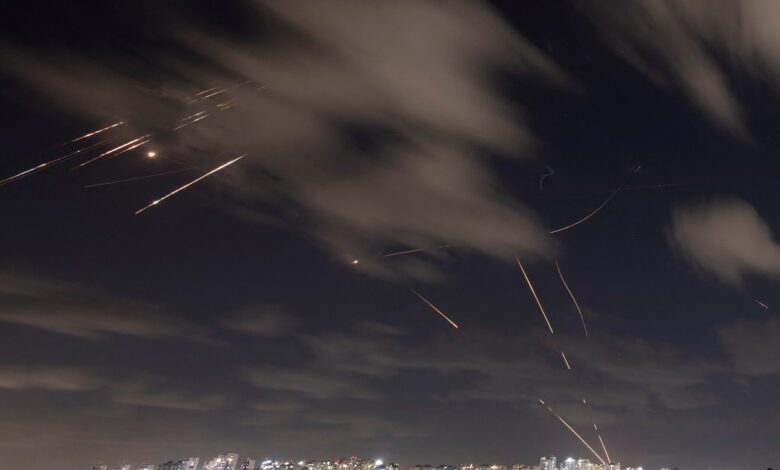
Iran launched about 180 ballistic missiles toward Israel on October 1, 2024, in its second direct attack on the country that year. Sirens sounded across Israel, air defences intercepted many weapons and civilians were ordered into shelters as missiles and debris fell.
Iran named three deaths as justification
Iran said the barrage answered Israel’s killing of Hezbollah leader Hassan Nasrallah and Iranian commander Abbas Nilforoushan in Beirut, as well as the assassination of Hamas political leader Ismail Haniyeh in Tehran. Israel had not publicly claimed the Haniyeh operation.
Tehran described its action as self-defence. Israel called it a major unlawful attack and promised a response.
The missiles crossed a region already at war
The attack occurred as Israel expanded airstrikes in Lebanon and began ground operations against Hezbollah near the border. The Gaza war continued, and armed groups aligned with Iran were attacking Israel and shipping from several countries.
A direct state-to-state exchange added a different escalation risk to conflicts previously fought largely through Israel and Iran’s regional allies.
Air defence limited immediate casualties
Israel’s Arrow and David’s Sling systems, supported by allied military assets, engaged incoming missiles. Some projectiles struck or landed near military sites, and falling debris caused damage.
A Palestinian man in the occupied West Bank was reported killed by falling missile debris. The relatively small immediate death toll did not make a ballistic-missile barrage safe or lawful.
Military results were contested
Iran claimed it hit important military targets, while Israel emphasized interception and continued operational capability. Neither government’s first statement provided a complete independent damage assessment.
Satellite imagery, verified ground reporting and later military acknowledgement offer stronger evidence than celebratory videos circulated by either side.
The attack followed an April exchange
Iran fired hundreds of drones and missiles in April after an Israeli strike on an Iranian diplomatic compound in Damascus. Israel then conducted a limited operation near Isfahan.
October involved a larger ballistic component and came after the deaths of senior allied figures. That sequence made immediate restraint less certain than it had been in April.
International officials urged de-escalation
The United Nations secretary-general condemned Iran’s massive missile attack and warned against an expanding regional conflict. Governments supporting Israel’s defence also pressed it to avoid targets that could cause a wider war.
Diplomacy relied on intermediaries because Israel and Iran do not maintain normal direct relations. Even indirect messages can clarify limits, though they do not remove the possibility of error.
Israel responded on October 26
Israeli aircraft struck Iranian air-defence, missile-production and other military targets. Israel said the operation concluded its response, while Iran reported damage and deaths among military personnel.
The attack did not publicly target oil or nuclear facilities, reducing the immediate risk of environmental disaster or a shock to global energy supply. It still crossed another threshold by openly striking inside Iran.
Facts should be separated from wartime messaging
The verified event was a large Iranian missile launch, partial penetration of Israeli defences, limited reported immediate casualties and a later Israeli military retaliation. Claims that every missile was intercepted or that particular strategic sites were destroyed required evidence.
The deaths invoked by Iran did not give civilians less protection, and Israel’s security concerns did not make every possible response proportionate. The October exchange demonstrated substantial military capability on both sides. It also showed how quickly retaliation can turn several connected wars into direct confrontation between states.