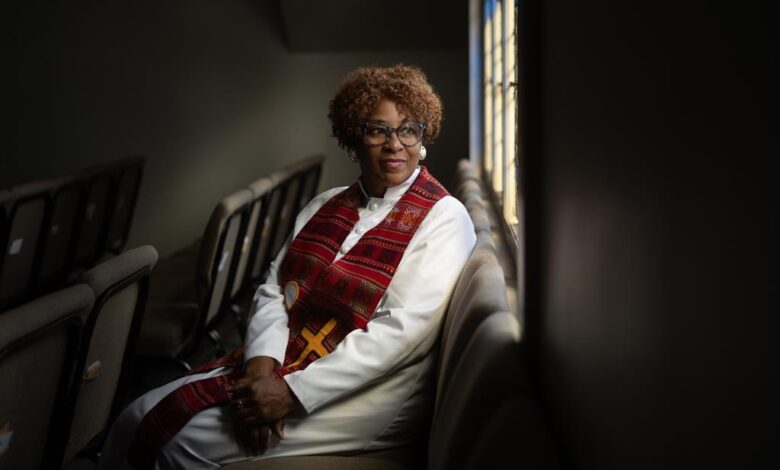
Rev. Rhonda Britton retired at the end of 2024 after 17 years leading New Horizons Baptist Church in Halifax. When she arrived in 2007, she became the first woman to serve as senior pastor of the historic African Nova Scotian congregation.
The church’s roots reach back to 1832
Black refugees and community leaders established the African Baptist Church in Halifax under the ministry of Rev. Richard Preston. The congregation later became widely known as Cornwallis Street Baptist Church.
For generations it provided worship, organizing, mutual support and a public voice for Black residents facing slavery’s legacy, segregation and systemic exclusion.
Britton’s appointment broke a leadership barrier
Calling a woman as senior pastor challenged a tradition in which formal authority had largely belonged to men. Britton entered the role with experience in ministry and a willingness to address both spiritual and civic questions.
Being first also carried unequal scrutiny. Her tenure cannot be reduced to gender, but the appointment expanded what younger members could imagine as church leadership.
She linked faith with public advocacy
Britton spoke about anti-Black racism, community safety and justice in Nova Scotia. She represented the congregation at public events and in conversations that extended beyond Sunday worship.
A Black church has never been only a religious building. It can be a site of cultural memory, political organization, care and resistance when other institutions exclude the community.
The congregation adopted a new name
During Britton’s tenure, members voted to become New Horizons Baptist Church, moving away from a name associated with Edward Cornwallis. The change reflected the church’s values and future direction while preserving its own much older history.
Renaming did not erase the past. It asserted that the congregation, rather than a colonial governor’s legacy, would define its public identity.
Her ministry included difficult transitions
Long pastoral service involves funerals, family crises, internal disagreement and changing neighbourhoods as well as celebrations. The COVID-19 pandemic required congregations to maintain connection when ordinary gathering became unsafe.
Britton described ministry in terms of fighting a good fight, language that held together endurance, faith and the cost of leadership.
Retirement was planned rather than abrupt
The church announced a celebration weekend for November 22 through 24, allowing members and community partners to recognize her work before her tenure concluded on December 31.
A structured departure gives a congregation time to grieve, celebrate and prepare for new leadership. It also lets a retiring pastor leave without pretending that relationships built over 17 years end on one date.
The next chapter belongs to the congregation
A successor inherits a church with deep history and present-day responsibilities. Leadership transition should involve transparent selection, listening across generations and protection of the institution’s community role.
Britton’s legacy will also continue outside a formal pulpit through the people she mentored and the public positions she helped normalize.
Her first became part of a longer story
The significance of her appointment lies not only in a record but in sustained service after the milestone. Seventeen years gave the congregation time to see a woman exercise authority through ordinary and extraordinary seasons.
New Horizons began with Black religious self-determination nearly two centuries ago. Britton’s ministry extended that tradition by joining pastoral care, institutional change and public advocacy. Retirement closed her term, not the work she described: confronting injustice, strengthening community and making room for leadership that earlier generations were denied.