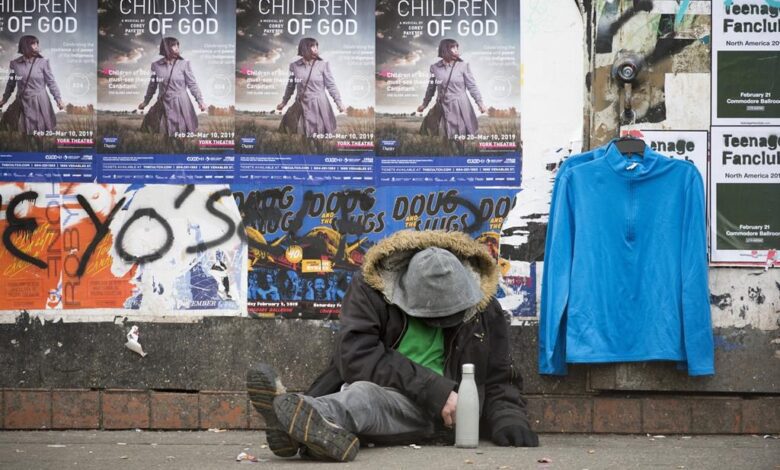
British Columbia’s 2024 election campaign turned the toxic-drug emergency into a polarized political contest over decriminalization, prescribed alternatives, treatment and public drug use. Critics warned that slogans were displacing evidence even as more than 15,000 people had died since the province declared a public-health emergency in 2016.
The unregulated supply remained the immediate danger
Illicit fentanyl and related substances made street drugs unpredictable in strength and composition. Provincial data identified unregulated drug toxicity as the leading cause of death for people aged 10 to 59, exceeding several other major causes combined.
That mechanism matters. Decriminalization, safer supply and treatment can be debated, but deaths cannot be understood without the volatility of the illegal market.
Decriminalization had a limited legal purpose
Beginning in January 2023, a federal exemption allowed adults in British Columbia to possess small amounts of certain illegal drugs without criminal charges in specified circumstances. Trafficking remained illegal, and the policy did not legalize commercial sales.
The objective was to reduce stigma and connect people to services. It was not designed by itself to make drugs chemically safer or create enough treatment capacity.
Public-use concerns forced a policy retreat
Residents, businesses and local officials raised concerns about open consumption in shared spaces. In 2024, the province asked Ottawa to narrow the exemption so police could again act on use in many public places while possession remained decriminalized in some private settings.
Supporters called the change necessary for public order. Harm-reduction advocates warned that pushing people into hidden locations could increase fatal overdoses.
Prescribed alternatives became a campaign target
Safer-supply programs provide regulated pharmaceutical drugs to some people at high risk from the toxic street market. Advocates said predictable dosage can reduce exposure to fentanyl and create contact with health services.
Opponents highlighted diversion, neighbourhood disorder and limited evidence for some models. The number of people receiving prescriptions was also far below estimates of the population using unregulated substances, limiting what province-wide death trends could prove about the program.
Treatment was necessary but not a single solution
Parties promised more treatment and recovery services, while involuntary care became a prominent proposal. Timely voluntary treatment, mental-health support, stable housing and continuing care are essential for people who want them.
Compulsory treatment raises questions about medical evidence, capacity, legal rights and the risk of overdose after a person’s tolerance falls. Simply announcing beds does not establish that care is available, appropriate or effective.
Evidence was more complicated than campaign claims
Observational studies can be affected by who enters a program, changing street-drug potency and simultaneous policy shifts. Population trends cannot automatically establish that one intervention caused an increase or decline.
Useful evaluation should track deaths, non-fatal overdoses, retention in care, diversion, emergency calls, public disorder and patient-reported outcomes. It should also distinguish prescribed safer supply from supervised consumption and decriminalization.
People with lived experience needed a role
Provincial auditors and health officials emphasized including Indigenous people and people who use drugs in program design. Their knowledge can identify barriers that administrative data miss.
That participation should complement transparent independent evaluation, not shield programs from scrutiny. Families, emergency workers, neighbourhoods and clinicians also hold relevant evidence.
Political urgency should produce measurable policy
The election debate reflected genuine conflict over safety, autonomy and public space. It became harmful when opponents implied that a single measure caused the entire crisis or when supporters treated criticism as hostility to people who use drugs.
A credible response combines prevention, rapid voluntary treatment, overdose reversal, harm reduction, housing, enforcement against violent trafficking and continuous evaluation. British Columbia’s death toll demanded urgency, but urgency made accurate definitions and honest evidence more important, not less.