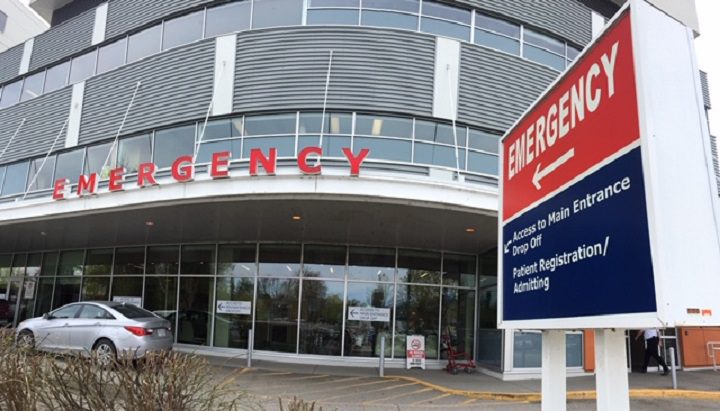
A shortage of pediatricians disrupted specialist coverage at Kelowna General Hospital in September 2024. Emergency physicians warned that during specified overnight periods no pediatrician would be available for bedside consultation or admission to the pediatric ward, with more gaps possible later in the year.
The emergency department remained open
Families were not told that children would be turned away from emergency care. Emergency physicians and nurses continued initial assessment, stabilization and treatment within their scope.
The gap concerned on-call pediatric specialist support and the ability to admit some patients locally.
Transfers could be necessary
A critically ill or complex child might need consultation by telephone, transport to another hospital or transfer to a tertiary pediatric centre. Distance adds delay, cost and stress for families, particularly when ambulances or receiving beds are constrained.
Transfer plans therefore formed an essential part of safe contingency coverage.
Doctors described sustained overload
The Kelowna Emergency Department Physician Group said pediatricians had worked above maximum capacity and identified uncovered dates. A limited specialist roster can create repeated call, fatigue and difficulty covering the emergency department, inpatient ward, maternity service and neonatal care.
Temporary overtime cannot replace a stable workforce indefinitely.
Interior Health outlined mitigation
The regional health authority said teams would coordinate care and transfers and were working on recruitment and service stabilization. Public communication needed to tell parents what remained available without discouraging them from seeking urgent help.
A reassurance that a plan exists is stronger when capacity, backup sites and response times are transparent.
Parents faced unequal burdens
Families with medically fragile children reasonably feared that an infection or other deterioration could occur during a coverage gap. Travel to Vancouver or another centre can require missed work, accommodation and care for siblings.
Those practical costs are part of access, even when provincial insurance covers clinical treatment.
Urgent symptoms still required urgent care
Breathing difficulty, severe dehydration, altered consciousness, seizure, major trauma or rapidly worsening illness should prompt emergency services or an emergency-department visit. A news report cannot triage an individual child.
For non-emergencies, families could use primary care or provincial advice lines while following current local instructions.
Recruitment alone may not solve retention
Compensation, workload, scheduling, collegial relationships, administrative support and housing costs influence whether specialists stay. A health authority should assess why vacancies persist and whether the service model concentrates incompatible responsibilities on too few people.
Training positions and licensing changes help only if working conditions support long-term practice.
The warning exposed a regional-system issue
Kelowna General serves as a referral centre for a wide area of British Columbia’s Interior. Gaps at that hub affect smaller communities that already travel for specialty care.
Useful accountability measures include uncovered hours, transfers, delays, cancelled admissions, staffing levels and adverse events, reported without compromising patient privacy. Authorities should also publish progress on durable recruitment and retention rather than treating each gap as isolated.
The September advisory was alarming because it made a hidden staffing vulnerability visible. Clear contingency plans could manage individual nights; only a stable pediatric team could ensure that a growing region had reliable specialist care throughout the year.