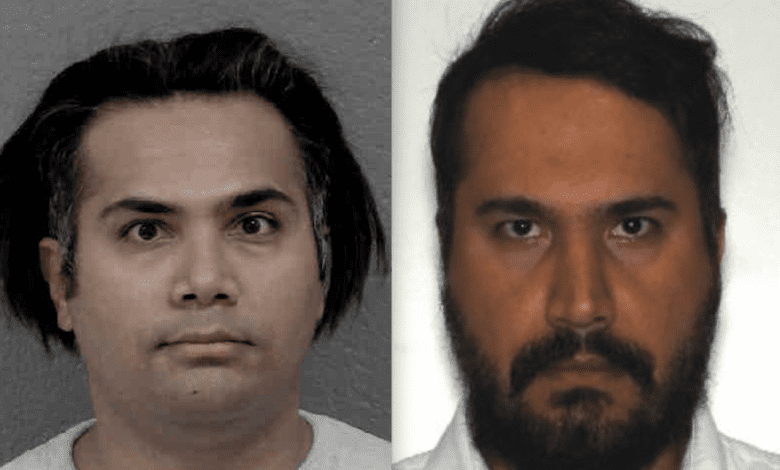
Ontario began reviewing its name-change rules in October 2024 after two brothers convicted in the United States of helping Iran evade sanctions legally adopted new identities in the province. Amin and Arash Yousefijam became Ameen and Aurash Cohen after returning to Canada.
The U.S. convictions
The brothers pleaded guilty in a case involving the purchase and shipment of restricted equipment through third countries to conceal Iran as the destination. U.S. authorities said the scheme undermined sanctions designed to restrict sensitive procurement by the Iranian state.
Both were sentenced to time served and supervised release, then removed to Canada. Their convictions were established facts; separate Canadian immigration, professional and civil matters required their own processes.
The Ontario name changes
Ontario approved the new names in April 2022 while the brothers were still completing parts of their U.S. sentences. Arash later practised dentistry as Aurash Cohen, while Amin worked in financial compliance as Ameen Cohen.
The legal change did not erase the original identities or convictions in government records. The concern was whether employers, professional regulators, creditors and the public could reliably connect the names when assessing a person’s history.
The province called it a loophole
A spokesperson for the minister responsible for the registry said a name change should not enable someone to evade justice and that Ontario would examine restrictions for people convicted of serious offences or international-sanctions violations.
Reform had to be designed carefully. People change names for marriage, family unity, safety, gender identity, cultural reasons or to leave an abusive situation. A blanket publication rule or lifetime ban could harm people with legitimate privacy needs and interfere with rehabilitation.
Disclosure was a separate issue
Name-change applications require truthful information. Professional licensing bodies also impose their own disclosure duties. In December 2024, Ontario’s dental regulator revoked Aurash Cohen’s licence after finding that he was required to disclose the U.S. criminal history.
That outcome concerned professional regulation, not a finding that every person with a conviction is automatically barred from changing a name. Matching systems and disclosure checks can protect the public without treating the change itself as proof of deception.
Immigration proceedings continued
The Canada Border Services Agency sought to deport Amin Yousefijam, arguing that his role in the sanctions scheme created national-security inadmissibility. He disputed that characterization and said his involvement was limited and that the name change reflected a wish for a new start.
An immigration allegation and hearing are not the same as a final removal order. Reports must attribute the agency’s claims and include the response rather than treating a pending case as completed.
What a stronger system could do
Ontario could require automated links between old and new names in police, court, immigration and professional-regulator checks; demand disclosure of foreign convictions; and create secure notification rather than indiscriminate public exposure.
Applications involving fraud or false statements can be investigated directly. Where a restriction is imposed because of a conviction, the rule should have clear offence thresholds, review rights and exceptions for demonstrated safety needs.
Identity continuity, not public shaming
The case exposed a real information gap because two people working in trust-sensitive professions could be difficult to connect with foreign convictions. The solution should ensure that authorized decision-makers see a continuous record.
That goal differs from making every past name permanently searchable by anyone. A proportionate reform protects institutions from concealment while preserving the possibility that people who have completed a sentence can rebuild their lives lawfully.