The Royal Canadian Air Force transported 211 Air India passengers and crew from Iqaluit to Chicago after an online bomb threat forced Flight 127 to land in Nunavut on October 15, 2024. The military flight was authorized because the small northern city could not readily house so many unexpected travellers.
A precautionary diversion
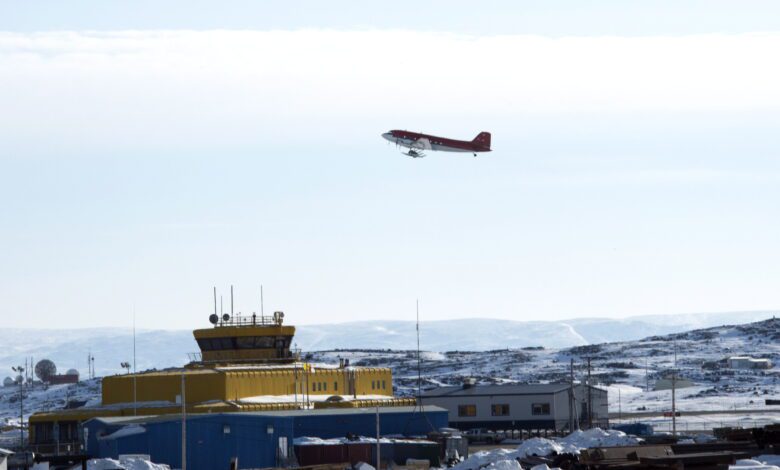
Flight 127 was travelling from New Delhi to Chicago when Air India learned of the threat. The aircraft landed at Iqaluit International Airport at approximately 5:21 a.m. local time, and everyone left the plane safely.
An emergency landing in response to a threat does not establish that an explosive is aboard. Airlines and pilots act conservatively because the consequence of dismissing a credible warning would be catastrophic.
Screening on the ground
Nunavut RCMP worked with airport authorities and the Canada Border Services Agency. The aircraft and passengers were re-screened under security procedures, and the original plane remained grounded until authorities could clear the threat.
Air India said several threats against Indian airlines in that period had later proved to be hoaxes. Investigators still had to assess each message individually; a series of false reports can be designed to exhaust attention and disrupt operations.
Iqaluit’s capacity problem
Iqaluit is a critical diversion airport for polar routes, but its accommodation, food and transport capacity is small compared with a major international hub. An unexpected group of more than 200 can strain hotels and local services, especially when other travel is already scheduled.
The federal government approved military assistance so the passengers could continue without waiting for the Air India aircraft to be released. The Royal Canadian Air Force carried them onward to Chicago.
Multiple agencies, different roles
Police investigated the threat, aviation and airport personnel managed aircraft safety, border officials addressed international-arrival requirements and the airline retained responsibility for passenger care. Military transport solved a logistical bottleneck rather than taking over the criminal investigation.
Clear command and communication are essential in such a diversion. Travellers need verified information about baggage, medication, meals, onward connections and the reason for each delay.
No basis for political attribution
The incident occurred during a severe diplomatic dispute between Canada and India, one day after reciprocal expulsions of diplomats. At the time of the report, authorities had provided no evidence connecting the bomb threat to that dispute or identifying who sent it.
Timing can be newsworthy context, but it is not proof. Speculation about a country, religion or political movement can spread panic and prejudice while interfering with an investigation.
The history that makes threats serious
Air India Flight 182 was destroyed by a bomb in 1985 while travelling from Canada toward the United Kingdom and India, killing 329 people. It remains the deadliest terrorist attack in Canadian history.
That history explains heightened sensitivity but should not be used to imply that the 2024 message came from the same source. Security decisions must rely on current intelligence and evidence.
The cost of a hoax
A false threat can divert an aircraft, disrupt hundreds of journeys, consume police and military resources and create safety risks during an unscheduled landing. Air India said it would cooperate with authorities and consider action to recover costs from perpetrators.
Publicizing operational details also requires care. Enough information should be released to counter rumours without revealing methods that help someone evade future screening.
A safe outcome, not a trivial event
The travellers ultimately continued to Chicago, and no injury was reported. The successful airlift reflected cooperation among northern airport staff, police, border officials, the airline and the military.
Calling the incident a precaution does not minimize it. Authorities treated an unverified online threat seriously, protected passengers and restored their journey while preserving the central factual limit: no perpetrator or political motive had been established.