
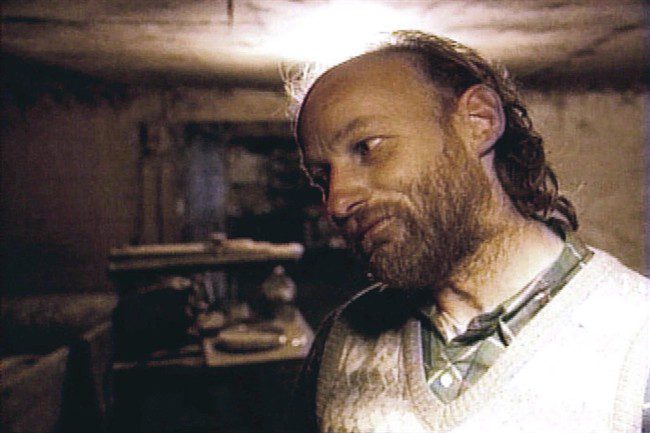
A lawyer representing families of women murdered by Robert Pickton said in October 2024 that his clients wanted access to a handwritten manuscript seized from the serial killer’s prison cell. The families sought to assess whether the approximately 200-page document contained information relevant to unanswered disappearances or their civil lawsuits.
How the manuscript emerged
Correctional officers examined Pickton’s belongings after he died in May 2024 following an assault at a Quebec prison. A search for a will uncovered writings and notes, including a manuscript titled Telling My Story.
An RCMP officer then obtained a warrant to seize the material. The warrant application said investigators believed Pickton might have written about murders connected with his Port Coquitlam property or identified victims who remained unknown.
The families’ request
Vancouver lawyer Jason Gratl represented families with civil claims against Pickton and his brother David. Gratl said they had been surprised to learn of the manuscript after being told the criminal investigation had no further leads.
He wanted to review the document independently for potential relevance to those lawsuits. A request by litigants does not automatically override privacy, evidentiary or investigative restrictions; disclosure would need to follow the applicable court and access process.
What police said they found
RCMP media officer Sgt. Vanessa Munn said investigators thoroughly examined the seized writings and found no references to missing women or Pickton’s crimes. Police said the material produced no new information they could share with families.
That assessment reduced expectations but did not erase the families’ interest. People who have spent decades seeking answers may reasonably want to understand how authorities reached a conclusion, subject to lawful limits.
The proven criminal record
A jury convicted Pickton in 2007 of six counts of second-degree murder in the deaths of Sereena Abotsway, Mona Wilson, Andrea Joesbury, Brenda Wolfe, Marnie Frey and Georgina Papin. He received a life sentence with no parole eligibility for 25 years.
Other murder charges were stayed after the convictions. Although Pickton made statements claiming a much higher number of victims, claims by a convicted killer are not a substitute for corroborated evidence or a court finding.
Unanswered questions and “Jane Doe”
The warrant material referred to investigators’ attempts to identify an unknown woman whose remains were found on the property and who became known publicly as “Jane Doe.” Police had interviewed Pickton repeatedly in search of information.
For families of missing women, identification is not an abstract statistic. It can determine whether relatives receive remains, hold a ceremony, obtain records and end years of uncertainty.
Victim-centred handling
The manuscript should be treated as potential evidence, not entertainment. Publishing sensational excerpts without verification could retraumatize families, spread false claims or allow a killer’s self-serving narrative to overshadow the women he murdered.
If lawful disclosure occurs, lawyers and investigators should protect personal information, consult affected families and compare any claim with forensic and documentary evidence. Commercial publication and evidentiary review are different questions.
The public-interest balance
Police must preserve investigative integrity and explain what can safely be released. Families deserve clear communication about the search, examination and retention of potentially relevant material.
The central issue was not whether Pickton deserved another audience. It was whether his writings could answer a question for a victim’s family or affect pending litigation. That purpose requires careful, accountable review while keeping victims—not the notoriety of their killer—at the centre of the story.



