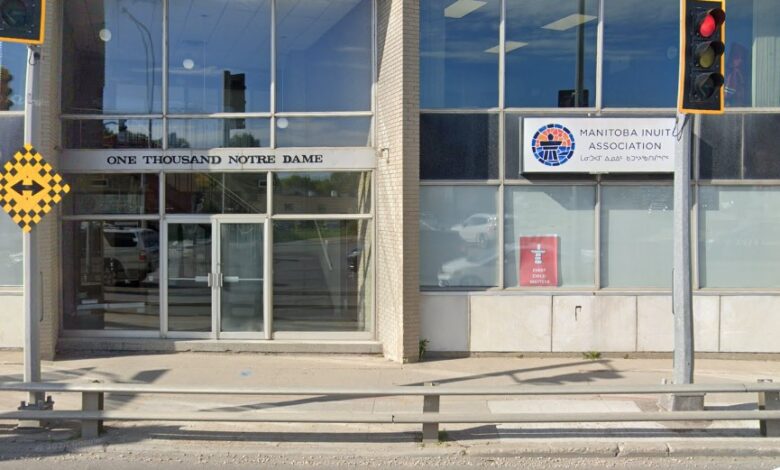
The Manitoba Inuit Association entered its October 2024 annual general meeting amid three provincial workplace investigations, six board resignations and allegations from current and former staff of bullying, intimidation, harassment and questionable use of funds. At that stage, the claims were contested and the investigations had not reached public final conclusions.
Concerns raised before the meeting
A June letter to the board described alleged workplace problems. Former manager Matthew Usenko said he was one of four people who signed it and that he was dismissed after raising concerns.
Member and former employee Judy Clark said she planned to question staff turnover, board vacancies and whether the organization was following its bylaws and Inuit Qaujimajatuqangit—principles and knowledge that include collaborative decision-making.
A depleted board
Six of eight directors had resigned during the preceding year, with four departures occurring in the summer. Members expected the annual meeting could fill the vacancies.
A functioning board is essential because it supervises senior management, approves finances, handles risk and remains accountable to members. Empty seats can concentrate authority and make it difficult to achieve quorum, depending on the bylaws.
The association’s public role
The Manitoba Inuit Association provides cultural and support services to Inuit who travel to the province for health care, education, training and other opportunities, as well as people who make Manitoba their permanent home.
Its funding included federal and provincial governments and charitable organizations. That public and community support increased the need for transparent governance while making continuity of services especially important during an internal dispute.
Fairness at the allegation stage
Chief executive Nastania Mullin and the two remaining board members did not respond to the original requests for comment. Silence did not prove the allegations, and complainants’ accounts also required investigation.
Responsible reporting protects people who raise workplace concerns while giving the organization and individuals named a fair opportunity to answer. It should not reveal confidential employment or client information merely to satisfy public curiosity.
Later provincial findings
By December 2024, reporting indicated that two Workplace Safety and Health investigations had found fault with the association. One letter said a former employee experienced harassment and that his termination after raising safety concerns violated statutory protection against reprisal.
The association appealed the findings. An administrative finding and an appeal have legal significance, but neither should be paraphrased as a criminal conviction or as proof of every allegation made by every former employee.
A separate independent assessment
In April 2025, the association said an assessment it commissioned from Wolseley Law found no evidence that the workplace was currently toxic or that financial impropriety had occurred. The executive summary acknowledged past issues and recommended clearer communication, performance expectations and human-resources policies.
That assessment and the provincial investigations asked related but not identical questions and covered different evidence and times. One should not be used to erase the other.
A path to credible repair
The board could publish audited financial statements, election results, conflict-of-interest rules and a plain-language response to recommendations while respecting employee privacy. Independent complaint channels and protection against reprisal would make assurances testable.
The 2024 turmoil mattered because community members depended on the association. The strongest resolution was not a contest over labels, but transparent governance, fair investigations and demonstrated workplace improvement that allowed Inuit members to judge whether their organization was fulfilling its mission.