
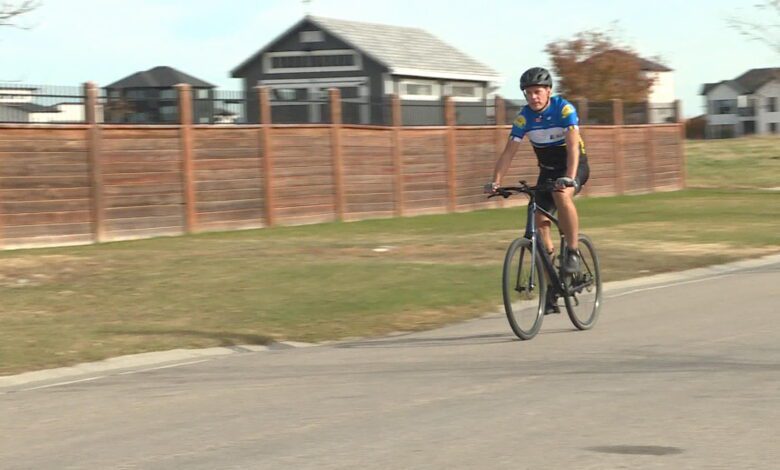
Brandon cyclist Grant Hamilton began preparing in 2024 to ride approximately 3,500 kilometres along the Tour de France route as part of The Tour 21, a charity challenge supporting leukaemia research. He was selected as one of 25 international riders and the only Canadian in the group.
A demanding three-week ride
The charity team planned to cover the professional race route one week before the Tour de France, completing the distance over about three weeks. Riding the same roads does not make the event a professional race; it remains an endurance fundraiser with its own support and safety arrangements.
Hamilton expected nine months of preparation, riding four or five days each week. His programme combined endurance, tempo, cross-training and as much hill work as Manitoba conditions allowed.
Returning after a serious crash
Two years earlier, Hamilton had suffered a cycling collision in which he lost his little finger. He said the experience increased his motivation to return to the bike and advocate for safer cycling.
Recovery stories can inspire, but they should not pressure an injured person to resume sport before medical clearance. Adaptation, confidence and risk tolerance differ for every rider.
Support from family
Hamilton’s wife, Amy Breen, bought a bicycle and joined some training rides. She described him as someone who follows through after setting a goal.
Long-distance preparation affects more than the athlete. Travel, nutrition, fundraising and time away from work or family require a support network and a realistic budget.
The fundraising target
Hamilton set out to raise $55,000 for leukaemia research. The original report directed Canadian donors to a CanadaHelps page supporting Cure Leukaemia and asked them to dedicate the contribution in his name.
Donors should use a verified charity page, confirm whether a tax receipt applies and review how funds are allocated. A participant’s athletic target and the charity’s research outcomes are separate measures of success.
Training and safety
A 3,500-kilometre ride requires progressive volume, rest, nutrition, bike fit and medical attention to persistent pain. Sudden mileage increases can cause overuse injuries even in experienced cyclists.
On public roads, riders need visible clothing, lights, helmets, route planning and compliance with traffic law. Drivers must provide safe passing distance and check carefully before turning or opening doors.
Advocacy after injury
Hamilton linked his return to a desire for safer cycling. Individual caution helps, but road design, protected space, lower speeds and driver behaviour shape risk at a system level.
A charity challenge can amplify that message while celebrating cycling’s health and social benefits. Coverage should not romanticize a crash as necessary motivation.
Enjoy rather than endure
Hamilton summarized his approach by saying the goal was to enjoy the experience rather than merely endure it. That mindset recognized that sustainable preparation involves recovery and purpose as well as physical strain.
His selection turned a childhood passion and difficult injury into an international commitment. The achievement ahead was dual: complete a formidable route safely and convert public interest into accountable support for research.
Both goals deserved transparent follow-through.



