
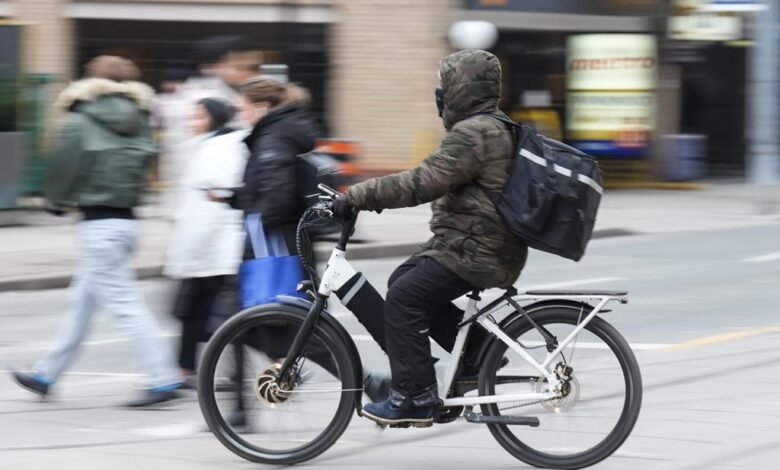
A Toronto Transit Commission staff report recommended a seasonal prohibition on lithium-ion-battery e-bikes and e-scooters across TTC property. The proposal called for the devices to be barred from vehicles, stations and facilities from November 15 to April 15 because of concern about battery fires during winter conditions.
Reasoning behind the proposal
TTC staff said large lithium-ion batteries can create severe fires, especially when cells are damaged, modified, uncertified or charged incorrectly. Moving a cold battery into a warm environment may create condensation, while exposure to road salt and de-icing compounds can damage components. A failing cell can enter thermal runaway and spread heat rapidly to neighbouring cells.
The report also said there was no practical way for transit staff to confirm at every entrance whether a battery had been tampered with, damaged or fitted with uncertified replacement parts. Toronto’s network includes 70 subway stations and many unstaffed entrances, making an inspection program resource-intensive and inconsistent.
From staff recommendation to approved policy
The October 2024 report was a proposal, not yet an adopted rule. The TTC Board later approved a winter ban in December 2024. That distinction matters when reading the original headline: staff proposed the measure first, and the board subsequently made the policy decision.
The approved restriction covered lithium-ion-powered e-bikes and e-scooters. Electric wheelchairs and other mobility devices used by people with disabilities continued to be permitted. Ordinary bicycles were also different from battery-powered devices, although regular bike-on-transit rules and crowding restrictions could still apply.
Impact on riders and delivery workers
E-bikes are an important tool for some commuters and gig-economy delivery workers. A seasonal transit ban can interrupt a trip, particularly where a rider depends on the subway to bridge a long distance or avoid unsafe winter roads. TTC staff identified bike parking and possible storage, exchange or charging facilities near stations as issues for further study.
Safety policy must balance those mobility needs against the consequences of a battery fire in a vehicle, station or tunnel. Smoke, evacuation constraints and service disruption make an underground fire different from a small outdoor incident. Certification and good maintenance reduce risk but do not make damaged batteries easy for frontline staff to identify.
Safer battery practices
Owners should use the charger specified by the manufacturer, avoid charging near an exit, stop using a battery that is swollen, cracked, unusually hot, leaking or producing an odd smell, and keep equipment away from salt and water. A damaged lithium-ion battery should be handled through local hazardous-waste guidance rather than placed in household garbage.
Transit rules can change as technology and evidence develop, so customers should check current TTC guidance before travelling. The original proposal established the November-to-April framework; later board decisions and seasonal notices determine what is enforceable on a particular date. Riders should also distinguish a removable e-bike battery from a small personal device: transport rules may depend on the device category, not battery chemistry alone. If staff direct a customer to leave, arguing or attempting to conceal the battery can create additional safety risks. Trip planning should include secure parking and an alternative route before arriving at a station.



