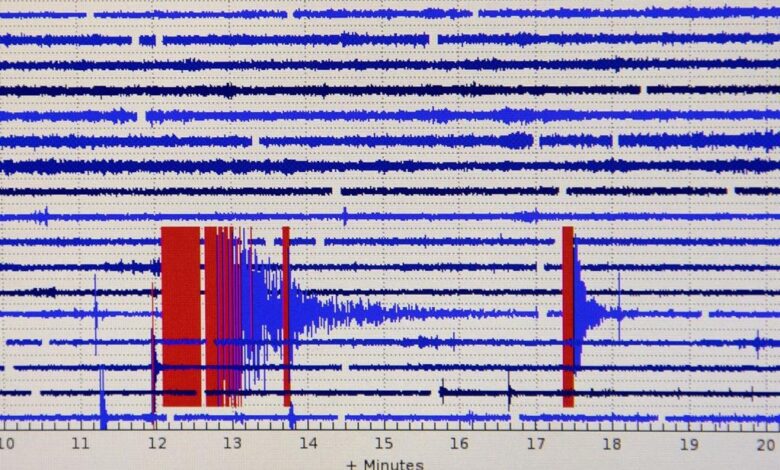
A City of Vancouver seismic-risk study modelled a magnitude 7.2 earthquake in the Georgia Strait and estimated that building damage could cause more than C$17 billion in direct financial losses, heavily damage nearly 6,100 buildings and produce more than 1,350 severe injuries and deaths.
The November 2024 report also projected that more than one-third of residents and workers could be displaced or unable to use their normal buildings for longer than three months. These figures describe a planning scenario, not a prediction that a quake of that size will occur on a specified date.
Why Vancouver modelled a severe scenario
Southwestern British Columbia faces several earthquake sources, including crustal faults, the subducting Juan de Fuca plate and the Cascadia subduction zone. Engineers use plausible high-impact scenarios to identify weak buildings, emergency needs and the benefits of retrofits before an event occurs.
A magnitude number alone does not determine damage. Distance, depth, soil conditions, shaking duration, building type and construction era all matter. Soft soils can amplify shaking, and older unreinforced masonry or brittle concrete buildings may perform differently from structures designed to newer codes.
What the loss figures include
The C$17 billion estimate covered direct building-related financial loss in the model. It did not represent a guaranteed insurance payout or the full economic cost. Business interruption, infrastructure failure, health effects, temporary housing and long recovery times can add losses beyond repair and replacement of buildings.
The combined severe-injury-and-fatality estimate reflects model assumptions about occupancy and building performance. It should not be reported as a precise death forecast. Scenario results are best used to compare risk-reduction options and identify where better building data or inspections are needed.
Privately owned buildings were a central concern
The report focused on seismic risk and possible risk reduction in existing privately owned buildings. Modern building codes mainly govern new construction and major alterations; they do not automatically retrofit every older structure. That leaves policy questions about assessment, disclosure, deadlines, financing and protection for tenants and small property owners.
A mandatory programme can reduce life-safety risk but impose substantial costs and disrupt homes or businesses. A voluntary programme may move too slowly. Grants, low-cost financing, staged standards and priority for the most dangerous building types are among the tools governments can evaluate.
What households and organisations can do
Residents can secure heavy furniture, know how to shut off utilities when instructed, keep emergency supplies and plan family communications and accessible emergency meeting points. Building owners can obtain professional seismic assessments rather than assume a visual inspection establishes safety after strong ground shaking.
Preparedness does not eliminate regional infrastructure risk, so public planning must also cover bridges, water, power, hospitals, communications, schools and emergency shelter. The value of the city model is not its dramatic headline total but the ability to direct limited resources toward measures that save the most lives and reduce long-term displacement.