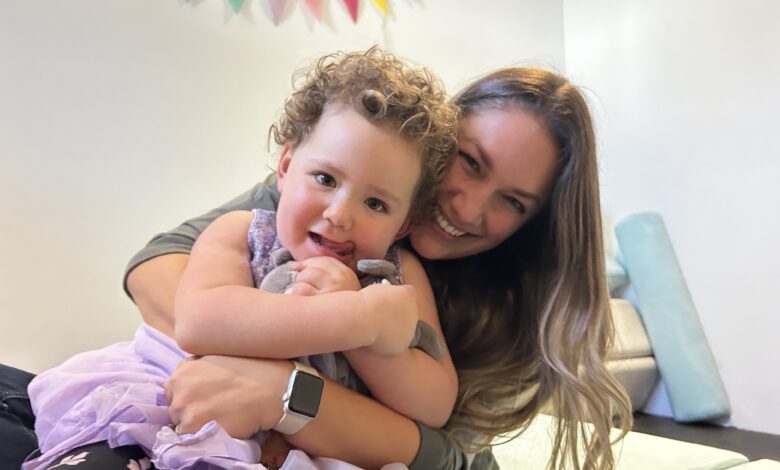
Three-year-old Chiara Langton, a young Taylor Swift fan from Île-Perrot, Quebec, received tickets to see the singer in Toronto after an 18-month period dominated by leukemia treatment. The gift included travel and accommodation and offered her family a chance to make an ordinary joyful memory amid continuing medical care.
Treatment continued during remission
Chiara’s mother, Christine Clogg, said her daughter was in remission but still attended hospital every two weeks, received chemotherapy at home and required emergency assessment when she developed a fever. Remission is an important medical milestone; it does not always mean that treatment, monitoring or the risk of complications has ended.
Health details about a child should be reported with parental consent and without promising an outcome. A celebratory story can acknowledge progress while respecting the uncertainty families experience during treatment.
Music as routine and encouragement
Taylor Swift’s music became part of Chiara’s coping routine. She copied outfits, played with instruments and microphones and learned songs. Before chemotherapy, mother and daughter used a favourite line about being a tough kid as a way to prepare themselves.
Music can provide comfort, distraction and a sense of normality, but the report did not claim that it treated leukemia. That distinction protects a warm human story from becoming medical misinformation.
A difficult ticket search
Toronto dates on Swift’s Eras Tour had sold out, and Clogg entered draws and contests in hopes of taking her daughter. Rogers learned of the family’s story and provided two tickets along with transportation and accommodation. Global News delivered the surprise.
The gift removed expenses beyond the ticket price that can make a concert inaccessible to a family travelling between provinces. It also allowed Chiara to participate in an experience centred on being a fan rather than a patient.
Reporting generosity without turning illness into spectacle
Stories involving a seriously ill child can invite public support, but they require restraint. The child’s dignity should come before emotional footage, brand visibility or online engagement. Coverage should identify commercial sponsors clearly so readers understand who funded a gift.
Privacy also continues after publication. Families may welcome a story at one moment and later want fewer medical details shared. Newsrooms should avoid unnecessary clinical specifics and provide a path to correct factual errors.
The wider reality of childhood cancer
A donated concert trip cannot address the financial and emotional burdens faced by every family navigating childhood cancer. Hospital travel, time away from work, infection precautions and long follow-up can persist even when treatment is progressing well. Individual generosity is valuable but does not replace accessible health care and family support.
Readers moved by Chiara’s story can support established hospital foundations, blood donation programmes or vetted childhood-cancer organisations. They should be cautious with fundraising pages that cannot be verified and should never contact a family directly unless invited.
A memory beyond appointments
Clogg said she wanted her daughter to experience something normal and magical after a year and a half of difficult days. Her reaction to the tickets captured why the gift mattered: it created anticipation and a shared family milestone not organized around a hospital visit.
Chiara’s story was hopeful because it remained honest. She was in remission and doing better, while treatment and vigilance continued. The concert did not erase illness; it gave a very young child and her mother room for delight within it. That is a substantial gift without asking the moment to carry a larger medical claim.