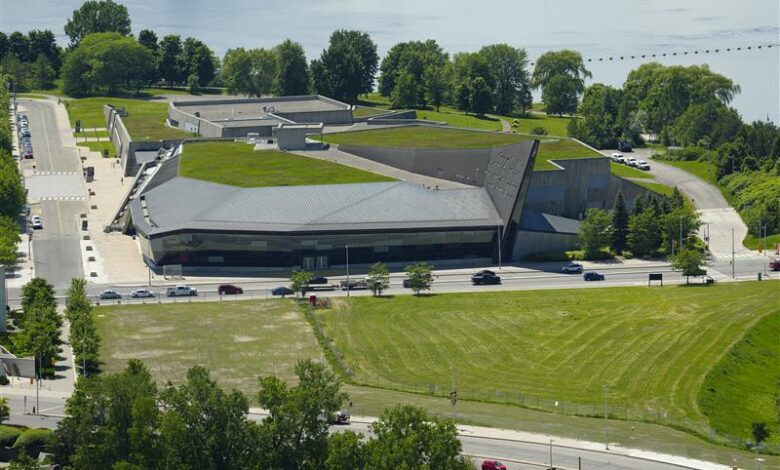
The Canadian War Museum’s online exhibition “In Their Own Voices” assembled more than 200 interviews with veterans and relatives to explore what happened after military service. Launched around Remembrance Day 2024, the project shifted attention from battle chronology to grief, family life, identity and the long transition home.
Why the story continues after deployment
Historian Michael Petrou said conventional reporting often ends when soldiers return, while the effects of conflict can continue for years or generations. Veterans may resume work and family responsibilities while carrying injuries, memories, moral questions and relationships with people left overseas.
The online format allowed audiences to hear those experiences in the speaker’s voice and connect photographs with personal testimony. It also made material available beyond visitors able to travel to the museum in Ottawa.
Different wars, recognizable grief
Second World War veteran George Morasch recalled relief when the war ended alongside tears for those who died. Afghanistan veteran Benjamin Hertwig described becoming overwhelmed at a family gathering after someone mentioned a member of his platoon who had been killed. His grandfather, himself a Second World War veteran, quietly told him that he understood.
The exchange did not imply that two conflicts were the same. It showed how grief could connect people whose service was separated by generations.
Afghanistan after the fall of Kabul
Tyler Wentzell, who served in Afghanistan in 2008, described receiving messages from people he cared about as the Afghan government collapsed in 2021. For much of the Canadian public the event was international news; for veterans with personal relationships there, it could reopen responsibility and loss.
Wentzell remained in the Army and commanded the 48th Highlanders of Canada. Staying connected to other Afghanistan veterans helped him during difficult periods. His path also showed that “return to civilian life” is not a single outcome for every reservist or career member.
Families carry the consequences
Jonathon Reid discussed his father John, a Second World War veteran who spent four years as a prisoner of war under Japan. At the time, post-traumatic stress disorder was not a recognized diagnosis and many men were expected to resume ordinary life without support. The resulting harm affected family members as well as the veteran.
Family testimony can reveal behaviour that a service member never discussed publicly. It should be recorded with consent and context, recognizing that relatives can have different memories of the same home.
An archive needs care
Oral histories are evidence and interpretation. Names, units and dates can be linked to records, while emotion should be preserved in the speaker’s own terms. Transcripts, captions and accessible design widen use. Clear permissions determine whether future researchers may quote or display sensitive material.
“In Their Own Voices” did not claim that 200 interviews represented every Canadian veteran. It offered a deliberately varied collection through which civilians might recognize experiences in their own families or better understand unfamiliar ones. Its central contribution was to show that war’s end date is not the end of its human history.
The archive keeps that history available for future listeners.