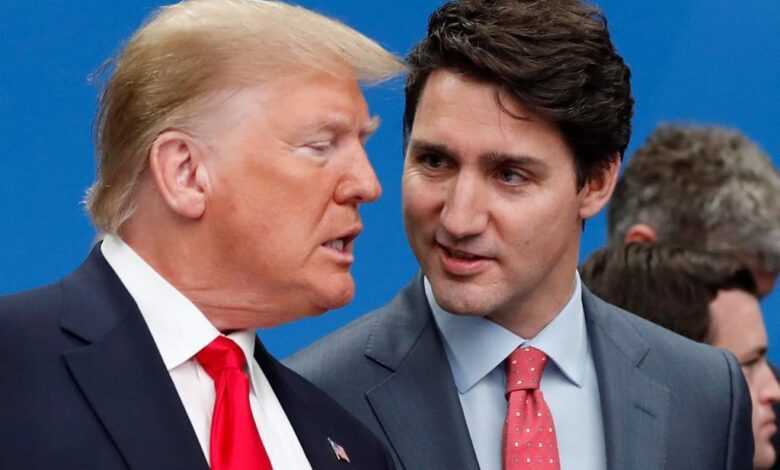
After Donald Trump won the 2024 U.S. presidential election, former Republican strategist and Trump critic Jeff Timmer advised Ottawa to let the incoming president feel like the “senior partner” in the Canada–U.S. relationship. Timmer presented that as a negotiating tactic for protecting Canadian interests, not a legal description of two sovereign countries.
Who offered the advice
Timmer spent decades in Republican politics in Michigan and later worked with the Lincoln Project to oppose Trump. His criticism of the president-elect gave him one perspective on Trump’s political style, but he did not speak for the U.S. government or the Canadian government.
He argued that Trump liked to be treated as the person in charge and that accommodating that preference could help Canada achieve practical goals. Canadians could reasonably object to the framing while still evaluating whether the diplomatic method would work.
Trade was the immediate exposure
Canada and the United States exchange goods through deeply integrated manufacturing, agriculture and energy networks. A broad American tariff can raise costs on both sides while placing greater pressure on the smaller Canadian economy. Ottawa had experience from Trump’s first term, when steel and aluminium measures led to Canadian retaliation and negotiation.
Then-deputy prime minister Chrystia Freeland argued that Canadian alignment with U.S. restrictions on Chinese imports created a stronger starting point. Alignment in one area did not guarantee exemption from measures justified by a different political objective.
Defence and the NATO target
Timmer expected Trump to press NATO allies to spend at least two per cent of gross domestic product on defence. Canada at the time projected reaching that guideline only in 2032 and faced questions about the credibility of the plan.
A spending ratio is a useful alliance benchmark but not a complete readiness measure. Procurement delays, personnel shortages and whether money produces deployable capability are equally important. Canada needed a defensible plan for its own security, not expenditure designed solely to satisfy one president.
Migration and the shared border
Timmer also urged Canada to prepare for migration pressures before the January inauguration. Border management involves security, asylum law, labour, family movement and extensive legitimate trade. Treating all migration as a threat would obscure legal obligations and the economic role of cross-border travel.
Canada’s preparation needed scenarios, lawful processing capacity and direct communication with U.S. agencies, rather than public gestures that could change with a news cycle.
Diplomacy without subordination
Successful diplomacy often involves understanding another leader’s incentives and presentation. It also requires clear domestic limits. Canadian officials are accountable to Canada’s Parliament and public and should not trade away core interests merely to produce a friendly meeting.
Provincial governments, businesses and unions hold information about exposed industries and need coordinated access to federal strategy. Diversifying markets and strengthening internal Canadian trade can reduce leverage over time, although geography ensures that the U.S. relationship remains central.
Timmer’s “senior partner” phrase captured one proposed way to manage Trump’s personality. It should be judged by outcomes: protected jobs, predictable rules, secure borders and credible defence. Respectful symbolism may ease a negotiation, but Canada still requires evidence, reciprocity and a willingness to defend its interests as an equal sovereign state.