
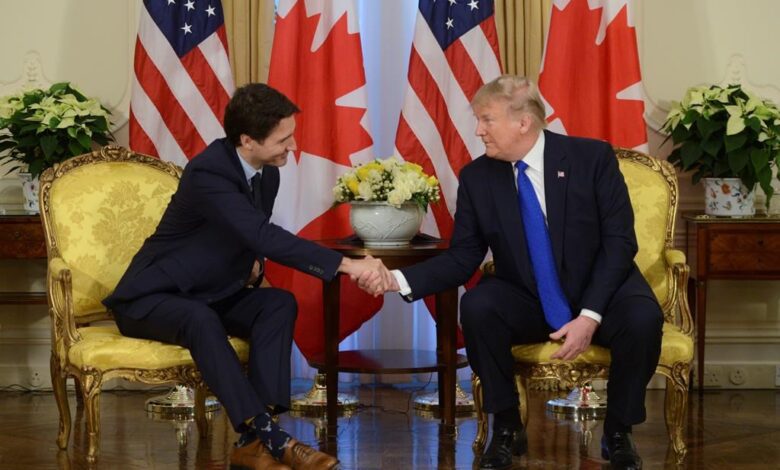
Ontario Premier Doug Ford argued in November 2024 that Canada and the United States should consider a bilateral trade agreement if Mexico did not match Canadian and American tariffs on selected Chinese imports and prevent goods from being transshipped through its market.
Ford said Mexico should not have a place in the coming North American trade review if it served as a route for lower-priced Chinese components to enter the regional market. His remarks were a political proposal, not a decision by the Canadian government or a change to the existing trade agreement.
The dispute centred on China and autos
The United States had announced higher Section 301 tariffs on Chinese electric vehicles, batteries, steel, aluminium, semiconductors and other strategic goods. Canada followed with a 100% surtax on Chinese-made electric vehicles and a 25% surtax on specified steel and aluminium products. Officials and automotive companies worried that production or transshipment through Mexico could undermine those measures.
Mexico rejected suggestions that it was simply providing a back door and said investment and origin claims should be assessed with evidence. Rules of origin already determine whether a vehicle or component receives preferential treatment under the Canada–United States–Mexico Agreement, known as CUSMA in Canada and USMCA in the United States.
Why one premier could not rewrite the agreement
International trade negotiations are a federal responsibility. Ontario has a major interest because of its integrated automotive and manufacturing sectors, and a premier can influence Canada’s negotiating position, but cannot remove Mexico from CUSMA or conclude a Canada–US treaty independently.
CUSMA entered into force in 2020 and provides for a joint review after six years. A review is not automatically a renegotiation or termination. The three national governments decide whether to extend the agreement and can raise disputes or seek changes through the processes it establishes.
Economic stakes on all three sides
North American vehicle production relies on parts crossing borders multiple times. Stronger origin enforcement may protect regional producers from disguised imports, while abrupt separation of the agreement could add tariffs, compliance costs and uncertainty for firms already organised around a three-country supply chain.
There is also a difference between a Chinese-owned factory legitimately producing in Mexico under regional rules and goods merely relabelled to conceal their origin. Enforcement should target false declarations and subsidy concerns using verifiable customs evidence rather than assume that every investment linked to China is unlawful.
What happened to the proposal
Ford continued advocating a direct Canada–US approach as tariff tensions grew. Canada nevertheless participated in the formal trilateral CUSMA review process in 2026. Global Affairs Canada said in July 2026 that the agreement remained fully in force until 2036 and that Canada continued engaging both the United States and Mexico while defending its interests.
That later position does not erase Ford’s warning; it shows that his statement was one contribution to a broader debate. A current article should separate the 2024 proposal from the legal status of CUSMA and from tariffs introduced after the statement was made.
Sources: Canadian government briefing material on the 2026 CUSMA review and tariffs on Chinese strategic goods; Ontario premier’s public statements from November 2024.



