
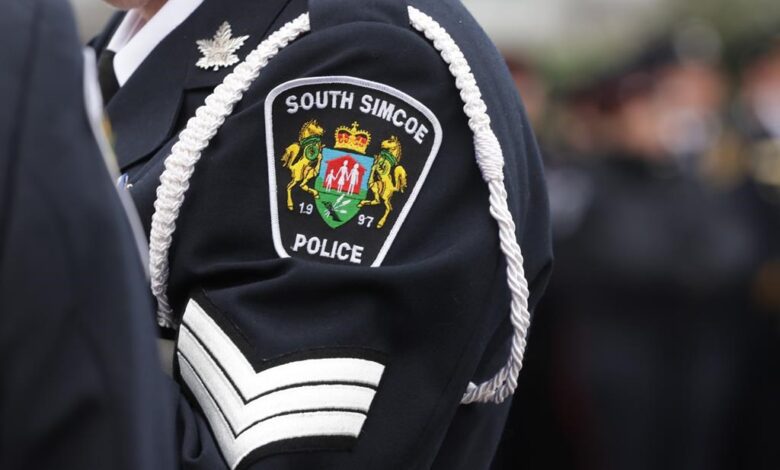
South Simcoe Police opened a criminal-investigation-unit inquiry after an infant died at an Innisfil residence in November 2024. Officers and emergency personnel had responded to a medical call on Algonquin Avenue in the early hours of November 8. Police released few details, said the scene was no longer being held and stated that there was no risk to public safety.
What was confirmed
The confirmed information was limited to the emergency response, the death and the continuing investigation. Police warned that the process would be lengthy and asked the public to respect the privacy of the people involved because of the highly sensitive circumstances.
No cause of death, identity, arrest or allegation of wrongdoing was announced in the initial statement. The involvement of a criminal investigation bureau does not establish that a crime occurred. Specialized investigators are often used to preserve evidence and determine facts when a death is unexplained.
Why an infant-death inquiry can take time
Investigators may document the scene, interview caregivers and first responders, review medical history and wait for pathology or toxicology. Ontario’s coroner system may work alongside police to determine the medical cause and manner of death. Some tests take weeks or months, and premature public theories can conflict with later findings.
The phrase “lengthy process” should therefore not be treated as a coded accusation. It tells the public that no immediate conclusion is available.
Privacy is part of accurate reporting
An infant cannot consent to publicity, and naming relatives or publishing a residential address can expose grieving people to harassment. Unless police seek a specific witness or a family chooses to speak, identifying detail may add little public value.
Neighbours and social-media users should not post photographs, family names or rumours about prior incidents. Information that seems harmless in isolation can identify a child when combined with a street and date. Tips relevant to the death belong with investigators, not a local discussion group.
Avoiding unsupported conclusions
Sudden infant deaths can have accidental, natural or unlawful causes. The initial report supported none of those explanations. It would be irresponsible to blame a parent, caregiver, medical condition or public service without an official finding and an opportunity for affected people to respond.
Language matters: police were “investigating an infant death,” not announcing a homicide. If charges were later laid, those too would remain allegations until proven in court.
What a responsible update should contain
A follow-up should rely on a police release, coroner’s finding or filed court record. It should explain what changed since the original notice, distinguish cause of death from criminal responsibility and respect any publication restriction. If authorities close the case without public detail, the absence of further information should not be filled with speculation.
This was a serious but deliberately narrow public notice. Emergency personnel responded, an infant died, and trained investigators began the work of determining why. The safest and most truthful account preserves that uncertainty while allowing the family privacy and the investigation time.
Accuracy in such a case includes knowing when the available evidence requires restraint.



