
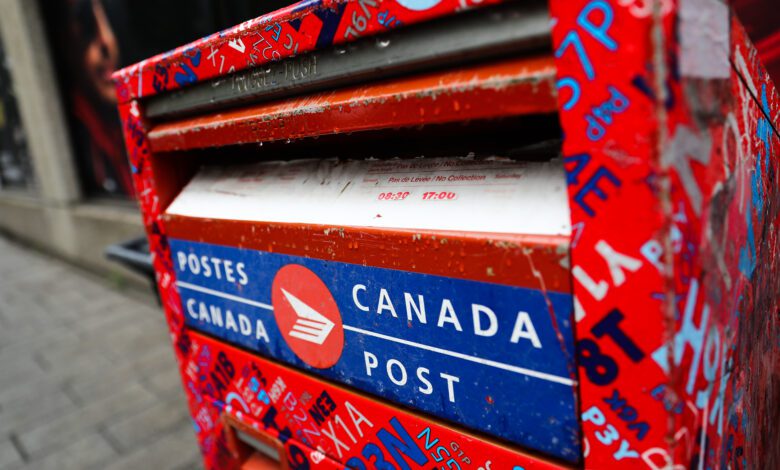
The Canadian Union of Postal Workers issued a 72-hour strike notice on November 12, 2024 as negotiations with Canada Post continued. Winnipeg prepared alternate ways to deliver notices and accept payments. University of Manitoba supply-chain professor Barry Prentice said the dispute was part of a wider period of labour conflict driven by affordability pressure and changing business models.
What the notice meant
A strike notice did not mean service stopped immediately. It created a legal window in which job action could begin as early as November 15. CUPW’s Winnipeg local president Sean Tugby said offers and union responses were still moving between the parties and expressed hope that the notice might push negotiations toward a settlement.
The distinction matters in service journalism. Households and businesses needed to prepare for disruption without being told that every letter had already stopped. Canada Post workers ultimately began a national strike on November 15, providing the later outcome that the advance report could not know.
Winnipeg’s contingency planning
Municipal services used mail for parking tickets, water and waste bills, pet licences and other communication. The city directed residents to online and in-person alternatives. People remained responsible for deadlines even if a paper notice was delayed, so checking official account portals was safer than waiting for mail.
Digital substitution is not universal. Some residents lack reliable internet, accessible technology, banking tools or confidence with online accounts. A resilient plan retains telephone and in-person service and communicates how late fees or proof of mailing will be handled.
Why Canada Post faced an unusual bargaining problem
Prentice argued that the Crown corporation no longer had the monopoly power it once held. Electronic communication reduced letter volumes, while private couriers and platform-based delivery competed for parcels. Canada Post and its union disagreed over wages, working conditions and operational changes such as weekend and evening delivery.
Affordability pressure affected employees at the same time. Higher food, rent and mortgage costs strengthened demands for compensation. Employers across transport and logistics also faced rising costs and uncertain volumes, creating conflicts over who would absorb the pressure.
Why simultaneous disputes matter
Labour actions at ports and the postal system can affect different links in a supply chain. A port stoppage delays containers and industrial inputs; a postal strike affects letters and last-mile parcels. Businesses that rely on both may experience compounding delays, but not every shipment uses Canada Post or the affected port.
Small online retailers, charities and northern or rural communities may have fewer affordable alternatives. Contingency advice should identify those unequal effects rather than imply that switching to a courier is equally practical everywhere.
Learning from the dispute
The 2024 strike was later brought to an end in December after the federal labour minister referred questions to the Canada Industrial Relations Board and operations resumed under extended agreements. That intervention did not erase the structural questions about the postal network or collective bargaining.
Prentice’s expectation of more disputes was an informed forecast, not a measurable certainty. The durable lesson is that essential-service organizations need updated business plans, good-faith bargaining and public continuity arrangements. Canadians can recognize workers’ affordability concerns while demanding reliable, financially sustainable services and clear notice when negotiations threaten delivery.



