
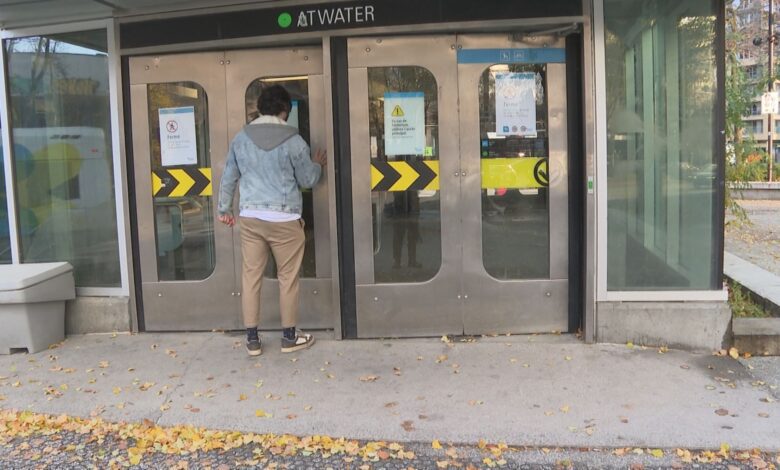
Montreal’s transit agency closed Entrance B of Atwater metro station from November 1, 2024 through April 30, 2025, citing safety, damage and unwanted behaviour. Because the entrance opened onto Cabot Square near services used by unhoused and vulnerable people, advocates and city officials argued that the winter closure displaced a visible problem without addressing the lack of housing and shelter.
The STM’s explanation
The Société de transport de Montréal said the other main entrance would remain open and described the seasonal closure as an informed response to the social context around the station. A spokesperson said limiting access would reduce vandalism, intimidation and drug use and protect passengers, employees and infrastructure.
A transit operator has a real duty to manage hazards. Staff and riders should not be required to accept violence, harassment or unsafe equipment. The disputed question was whether closing one access point for six cold months was proportionate and whether adequate alternatives had been arranged for people who used the space for survival.
Why Cabot Square mattered
The shuttered entrance was located in a downtown area close to community resources and used by many Indigenous and other unhoused residents. In winter, some people enter metro stations because outdoor exposure can be dangerous. Removing access can shift people to another station, doorway or encampment rather than connect them with a secure place to stay.
James Hughes of the Old Brewery Mission said people did not aspire to sleep on metro stairs and urged governments to invest in housing. City councillor Craig Sauvé similarly criticized closure as a substitute for solving homelessness. Their statements framed the decision as a policy failure, not evidence that every concern reported by transit workers was invented.
Public space has competing needs
Stations are transport facilities, not designed shelters. Riders need clear routes, accessible elevators and a safe environment. Unhoused people retain dignity and should not be described as a hazard merely because of their housing status. Specific conduct should be addressed as conduct, while outreach and accommodation reduce conflict more effectively than blanket exclusion.
A coordinated response can pair trained outreach workers and crisis teams with emergency beds, warming centres, washrooms, storage and pathways to permanent housing. Police may be required for immediate violence, but enforcement alone cannot create a destination for someone removed from the station.
The funding dispute
Mayor Valérie Plante said a disagreement between Quebec and Ottawa was holding up $100 million promised for homelessness support in the province and expected roughly half to reach Montreal. That estimate was the mayor’s position at the time; final agreements and spending should be checked in subsequent government records.
Funding announcements also need outcome measures. Governments should disclose how many emergency places and permanent homes are created, how quickly people move through shelters and whether Indigenous-led organizations receive resources suited to the communities they serve.
A better test for future closures
Before restricting a winter entrance, the STM and city should publish the documented risks, accessibility impact, duration, review dates and nearby alternatives. They should consult affected workers, riders, outreach providers and people with lived experience. Data after the change should show whether incidents declined or simply moved.
The Atwater controversy exposed a genuine safety challenge and a deeper housing emergency. Protecting the metro and protecting unhoused people are not opposing objectives. Both require transparent decisions and a response that offers somewhere safer to go rather than treating a locked door as the solution.



