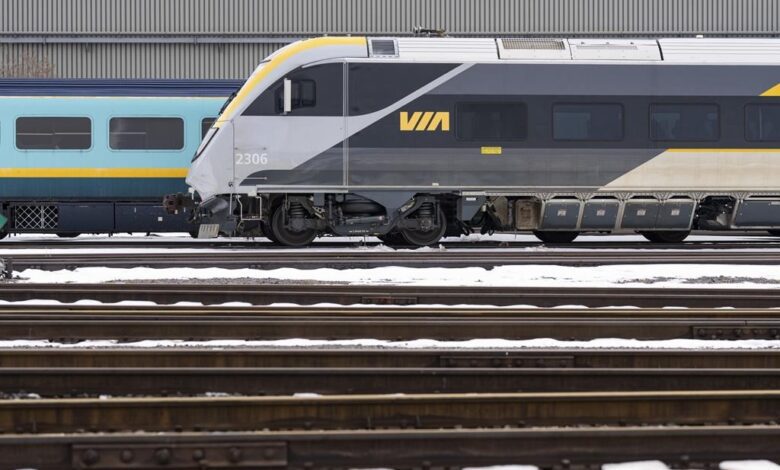
Via Rail’s plan for a modern Montreal–Halifax service confronted a basic obstacle in September 2024: the Ocean frequently failed to keep its timetable. Chief executive Mario Péloquin told the Halifax Chamber of Commerce that fixing punctuality had to accompany the replacement of Canada’s unusually old long-distance trains.
The Ocean operates on another railway’s infrastructure
Via owned only a small fraction of the national track it used, leaving most of the route dependent on access agreements and dispatching by Canadian National Railway. Freight trains often received priority, contributing to delays.
Passengers nevertheless bought a ticket from Via and reasonably expected a realistic schedule and useful updates.
Track condition affects passenger speed
Advocates pointed to the Campbellton–Moncton segment in New Brunswick, where slower infrastructure and fewer sidings constrained operations. Track adequate for freight may not support the speed or flexibility required for reliable passenger service.
Resolving that mismatch requires investment and contractual agreement over who pays.
CN described its own financial responsibilities
The freight railway said it financed and maintained its infrastructure and had invested $53 million across more than 900 route miles in Atlantic Canada during the previous year. It argued that passenger trains can require higher standards and specific agreements with Via.
Those figures supplied context but did not demonstrate that every Ocean bottleneck was resolved.
Fleet replacement was finally funded in principle
Ottawa’s 2024 budget committed to new equipment for routes outside the Quebec City–Windsor corridor. Péloquin declined to disclose a value before a competitive request for proposals, saying that revealing the budget could influence manufacturers’ offers.
The new fleet was targeted for service around the end of the decade.
Old rolling stock created separate risks
Via said the trains used outside the corridor averaged about 77 years of age. New equipment could improve accessibility, reliability, emissions, passenger information and comfort.
It could not, by itself, create sidings, repair track or change the priority rules governing shared lines.
Atlantic demand had room to grow
Péloquin said the Ocean brought approximately 13,000 travellers to Halifax each year. A dependable overnight train could serve tourism, business and communities along the route while offering an alternative to driving or flying.
Demand projections should distinguish through-passengers from riders using shorter segments.
A modernization plan needs public milestones
Useful milestones include procurement dates, accessible-car specifications, average and worst-case lateness, completed infrastructure projects and enforceable contingency plans. Reporting causes of delay would show what Via, CN or weather controlled.
Targets should use the same methodology year to year.
Reliable operations are the product
A beautiful train that arrives unpredictably will not persuade many time-sensitive travellers to switch modes. Conversely, chronic delay cannot justify allowing public rail to deteriorate indefinitely.
The Ocean’s future depends on aligning federal policy, Via’s service obligation and CN’s infrastructure economics. Péloquin’s frank admission established the right test: modernization succeeds only if passengers experience a safer, accessible and more punctual service. Procurement announcements are inputs; a journey completed near its promised time is the outcome.
Passengers also need clear rebooking and compensation when the standard is missed.