4 injured in Odisha hydropower station fire, ₹2 crore equipment damaged: Official


Four workers required medical attention after dense smoke spread through the 120 MW Machhkund Hydroelectric Power Project in Odisha’s Koraput district during a fire on May 23, 2026. Officials reported no deaths.
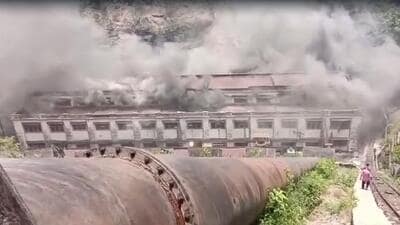
The blaze began around midday and was brought under control later in the afternoon. Preliminary government accounts attributed it to the failure of a current transformer used for local power supply. Connected cables caught fire, allowing flames and smoke to travel through a cable gallery into the powerhouse.
Workers evacuated and generating units shut down
All six generating units were operating when the incident began. Operators shut the machines down and personnel were evacuated. Four workers who became trapped in smoke suffered breathing difficulty and were taken to the community health centre at Lamtaput, according to officials quoted in local reporting.
Early reports used both “minor injuries” and “suffocation” to describe their condition. Those descriptions are not evidence of four separate burn injuries. The consistent official point was that the workers were rescued and that there was no fatality.
Damage and restoration estimate
Fire affected electrical and associated equipment, and an initial estimate placed the damage above ₹2 crore. Project officials said generation could remain suspended for more than six months while equipment was assessed, repaired or replaced. Both the cost and schedule were preliminary and could change after APGENCO completed a detailed technical inspection.
A hydroelectric station can avoid damage to its turbines yet remain unable to generate if protection, control, transformer or cable systems are unsafe. Restarting involves more than extinguishing the fire: engineers must identify the initiating fault, test circuits, replace damaged insulation and verify that protection systems will operate correctly.
An interstate power project
Machhkund is a joint project of Odisha and Andhra Pradesh. The powerhouse’s management and operational control lies with the Andhra Pradesh Power Generation Corporation, while the two states share responsibilities and electricity under their agreement. That structure means the restoration assessment requires coordination across project and state authorities.
Claims about the number of villages facing disruption should be treated cautiously unless supported by a distribution-company notice. The loss of generation can affect the regional supply mix, but grid operators may reroute or purchase electricity, and the outcome for a particular community depends on the local network.
Questions for the investigation
A complete review should establish why the current transformer failed, whether protection isolated the fault as designed, how fire spread through cable routes and whether detection, suppression and evacuation procedures performed adequately. Any earlier incidents at the ageing station are relevant only if investigators connect them to a recurring engineering or maintenance problem.
Restoration should also include staged testing rather than an immediate return of all six units. Cable insulation, relays, switchgear, control systems and auxiliary supplies can be damaged by heat, smoke or firefighting water even when they appear intact. Publishing the final technical assessment would allow the preliminary loss estimate and six-month schedule to be checked against the actual work required.
For workers, the review should record smoke exposure, availability of breathing protection, alarm performance and the time required to reach a safe area. Treating the absence of a fatality as the only safety measure would miss lessons that could prevent a more serious outcome in another electrical fire.
References: official accounts reported by Odisha media; APGENCO’s Machkund project information.