Live Updates: U.S. Pushes Cease-Fire in Lebanon as Netanyahu Says Israel Will Fight On
The United States and France led a call on September 25, 2024 for an immediate 21-day ceasefire across the Israel-Lebanon border. The proposal sought time for diplomacy as Israeli strikes killed hundreds in Lebanon and Hezbollah continued firing toward northern Israel.
A broad group endorsed the proposal
Australia, Canada, the European Union, Germany, Italy, Japan, Saudi Arabia, the United Arab Emirates and Qatar joined the appeal. The initiative emerged during the UN General Assembly in New York.
Broad endorsement created diplomatic weight but did not bind Israel or Hezbollah without their consent.
The pause was deliberately temporary
Twenty-one days was intended to stop immediate escalation and allow negotiators to develop a longer arrangement. A pause could also facilitate humanitarian access and civilian movement.
It was not presented as a final settlement of the border, Hezbollah’s weapons or the Gaza war.
Washington said discussions had been coordinated
American officials indicated that the call followed intensive consultation and believed the parties understood its purpose. Public comments from Israel then created confusion about whether Prime Minister Benjamin Netanyahu had accepted it.
His office said Israel would continue fighting, later adding that it shared the initiative’s aims while talks continued.
Hezbollah tied Lebanon to a Gaza ceasefire
The group had said it would stop cross-border attacks if fighting in Gaza ended. That condition made a separate northern agreement difficult while hostage and ceasefire talks in Gaza remained stalled.
Diplomats hoped a Lebanon pause could also create momentum for Gaza, but the published call did not resolve those negotiations.
Israel demanded safe return for northern residents
Tens of thousands of Israelis had been displaced by Hezbollah fire. Israel wanted arrangements that prevented fighters and weapons from threatening border communities.
A ceasefire without monitoring could be viewed as time for Hezbollah to regroup, a central concern among Israeli officials and residents.
Lebanon faced a rapidly growing catastrophe
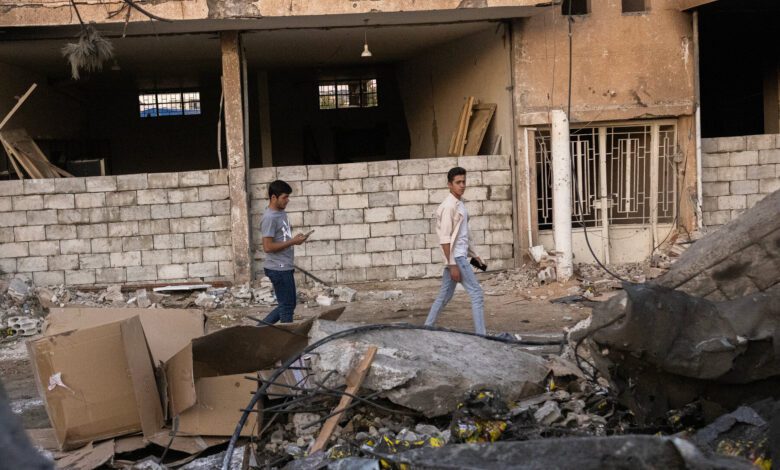
Israeli attacks struck the south, Bekaa Valley and Beirut area, killing civilians as well as alleged Hezbollah members. Large numbers fled with limited shelter and transport.
A pause had immediate value even before a political settlement because it could prevent deaths and allow aid systems to catch up.
Resolution 1701 offered a reference point
The 2006 UN resolution called for cessation of hostilities and restrictions on unauthorized armed forces in southern Lebanon. Neither side’s obligations had been fully realized.
Any new arrangement needed stronger verification and support for the Lebanese Armed Forces rather than repeating language without enforcement.
The gap between diplomacy and war remained wide
Netanyahu’s government maintained that military pressure was changing the balance, while mediators warned that escalation could become a regional war. Hezbollah refused to separate its campaign from Gaza.
News organizations also needed to time-stamp live developments because an attributed statement could be overtaken within hours. Readers should know whether a report describes a proposal, a response or a later correction.
The proposal was a credible emergency off-ramp, not a completed deal. Accurate live coverage had to distinguish calls, negotiations and actual consent—and to update readers as official positions changed.