Haiti Gang Raid Leaves at Least 47 Dead as Kenscoff Demands Protection

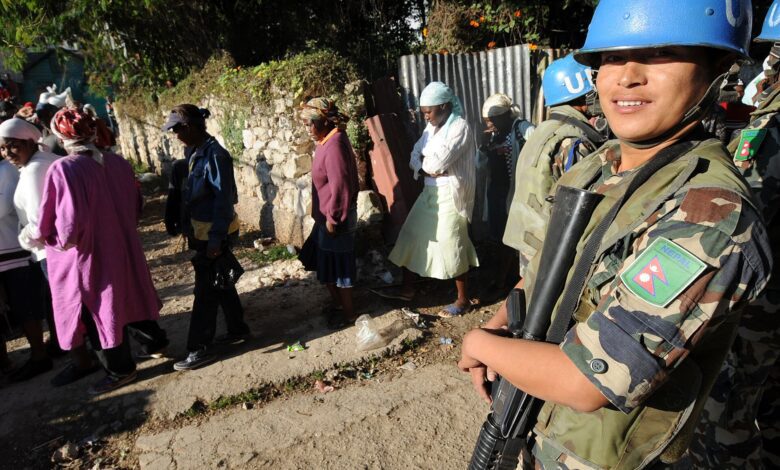
At least 47 people were reported killed when members of Haiti’s Viv Ansanm gang coalition attacked the mountain community of Kenscoff overnight from Sunday into Monday, burning homes and striking near a church. The toll remained provisional as insecurity and communications problems made it difficult to account for the dead and missing.
Residents described an assault on a farming area that has repeatedly faced gang incursions despite its location outside the most heavily contested parts of Port-au-Prince. One farmer said 14 members of his family were killed, underscoring the concentrated loss experienced by individual households.
A community under repeated pressure
Kenscoff lies in the hills above the capital and supplies agricultural produce to the metropolitan area. Violence there threatens both residents and food routes used by a population already facing high prices and humanitarian shortages.
The attackers set buildings alight and forced survivors to flee. Access constraints initially prevented a complete independent count, so the reported figure may change as local authorities, hospitals and families reconcile information. Responsible reporting on mass-casualty events must preserve that uncertainty rather than present an early number as final.
Viv Ansanm brings together powerful gangs that previously competed with one another. The coalition has expanded its influence through coordinated attacks on neighbourhoods, police facilities, roads and public institutions.
Residents question the security response
People in Kenscoff accused police of failing to provide adequate protection and said warnings had not produced a sufficient response. Haiti’s government promised reinforcements after the raid, but the immediate task is protecting survivors and preventing armed groups from returning.
Police face severe constraints, including limited equipment, dangerous working conditions and the need to defend multiple fronts. Those realities do not remove the state’s duty to protect civilians. Authorities must explain how forces were deployed, whether warnings were received and what will change in communities exposed to repeated attacks.
Security operations also require safeguards. Poorly controlled raids can harm civilians, deepen distrust and push residents away from the institutions meant to help them. Intelligence from communities is most effective when witnesses believe information will be protected and lead to timely action.
A national humanitarian emergency
Armed groups are estimated to control about 70 per cent of Port-au-Prince. Violence has displaced a record 1.5 million people across Haiti, placing extraordinary pressure on schools, host families, camps and aid providers.
United Nations figures recorded more than 3,100 people killed and another 1,189 injured in gang-related violence during the first half of 2026. Behind those totals are families separated from work, education and healthcare, while blocked roads restrict food and fuel.
International security assistance can support Haitian police, but a durable response cannot rely only on armed operations. Weapons trafficking, illicit finance, political protection and corruption allow gangs to replace members and equipment. Border and port controls, financial investigations and prosecutions are essential alongside neighbourhood security.
Political transition faces a credibility test
Haiti plans to hold elections on December 13, its first national vote in more than a decade. A credible election requires candidates, officials and voters to move safely, and it requires institutions capable of administering results without coercion.
The Kenscoff raid demonstrates how far the country remains from those conditions. If communities believe the state cannot protect a church, a farm or a road, asking them to participate in a national vote becomes more difficult. Delaying democratic restoration indefinitely also carries risks, leaving unelected authorities with limited legitimacy.
Protection must be measured in civilian safety
The government should publish a clear security plan for Kenscoff, maintain forces after the first emergency deployment and create safe channels for reporting threats. Survivors need shelter, medical care, documentation of missing relatives and support to recover livelihoods.
Investigations should preserve evidence for future prosecutions rather than treating deaths as unavoidable statistics. International partners can help with forensic capacity, communications, logistics and controls on the firearms and money that sustain armed groups.
The provisional death toll may be revised, but the central fact is already clear: civilians were left exposed to a coordinated attack of extraordinary brutality. Haiti’s leaders and partners will be judged not by promises made after the killings, but by whether families in Kenscoff can return home without facing the same danger again.