US Removes Syria From Terrorism-Sponsor List After Nearly 47 Years

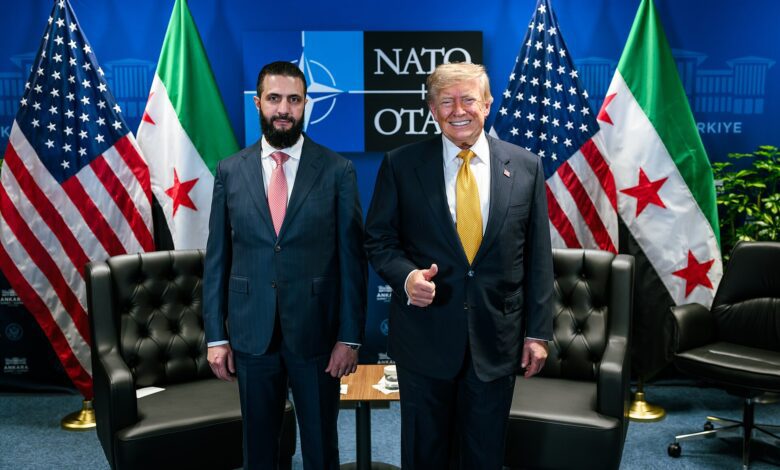
The United States has formally removed Syria from its list of state sponsors of terrorism, ending a designation that had been in place since December 1979. The change took effect on Monday after a 45-day congressional review of President Donald Trump’s July 8 notice.
The decision is a major reset in US policy toward Damascus and the government of President Ahmed al-Sharaa. It can reduce legal and financial barriers to reconstruction, trade and aid, but it does not erase every sanction or mean that Syria is now considered safe for travellers.
What the designation controlled
Placement on the state-sponsor list triggers restrictions on foreign assistance, defence exports, certain dual-use technology and financial transactions. It also increases litigation exposure and compliance risk, often leading banks and companies to avoid a country even when a specific transaction may be lawful.
Removing Syria can therefore have effects beyond the formal regulations. International banks, insurers and investors may become more willing to examine projects that were previously rejected at the first compliance review. Humanitarian organisations may also find it easier to move funds and equipment.
The change does not guarantee investment. Syria’s infrastructure has been devastated, institutions remain fragile and businesses will still assess political, legal and physical security. Reconstruction requires credible contracts, functioning courts, electricity, transport and confidence that policy will not reverse abruptly.
Additional sanctions changes
The US Treasury removed Hayat Tahrir al-Sham from its Specially Designated Nationals list and revoked Syria General License 25 after determining that it was no longer needed under the revised framework. These steps reflect Washington’s decision to engage the current Syrian authorities after the fall of the previous order.
Targeted sanctions can still apply to individuals and entities connected to terrorism, serious human-rights abuses, narcotics, corruption or other prohibited activity. Removing a country-level designation is therefore not a blanket immunity for every actor operating in Syria.
That distinction gives the United States room to support economic recovery while retaining tools against specific networks. The effectiveness of the approach will depend on clear guidance, consistent licensing and evidence-based enforcement.
Potential benefits for Syrians
Ordinary Syrians have lived with war damage, displacement, poverty and restricted access to international finance. Broad isolation can make imported machinery, medicine and reconstruction materials more expensive even when exemptions exist, because banks and suppliers fear accidental violations.
More workable payment channels could improve humanitarian operations and encourage diaspora investment. Recovery will remain uneven, and assistance must be structured to prevent capture by armed groups or politically connected businesses.
The new government also faces expectations on minority protection, accountable security forces and inclusive institutions. Economic relief should not remove scrutiny of abuses. Engagement can be paired with measurable conditions and public reporting rather than an assumption that political change has resolved Syria’s deeper conflicts.
Travel and security risks remain
The US government continues to warn against travel to Syria, where kidnapping, armed violence, unexploded ordnance and arbitrary detention remain serious dangers. Routine American consular services are not available in the country. Delisting should not be confused with a normal tourism or business environment.
Regional powers will also watch how Washington implements the shift. Syria’s relationships with Turkey, Israel, Gulf states, Russia and Iran affect border security, refugees and the balance of influence across the Middle East. Faster reconstruction could support stability, but uncoordinated competition could deepen existing divisions.
A consequential opening, not a final verdict
Ending a nearly 47-year designation is historically significant. It acknowledges that sanctions designed for an earlier Syrian government may no longer serve the same purpose and that permanent isolation can obstruct recovery.
The policy will be judged by outcomes: whether aid reaches civilians, whether legitimate businesses gain access to finance, whether targeted pressure remains effective and whether Syrian authorities improve security and rights. Removing the label creates an opening. Building a stable, accountable state will require far more than a change in a US government list.