US Launches Sweeping Iran Sanctions Campaign as Rial Hits Record Low

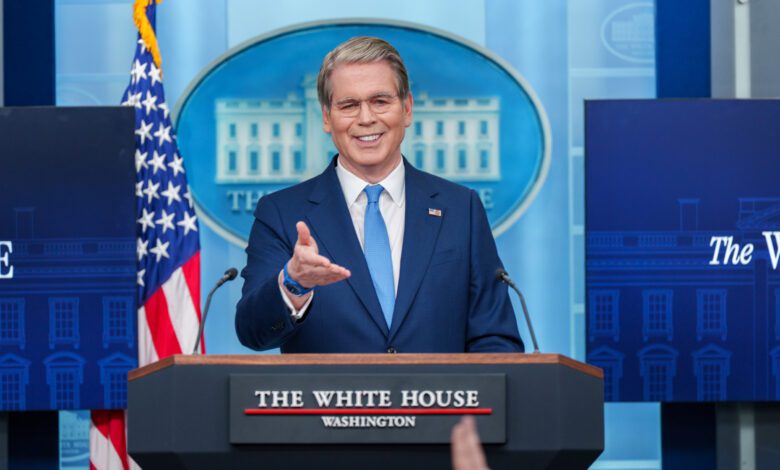
The United States has launched a broad sanctions campaign against Iran as the country’s currency falls to a new record low and the war enters its sixth month. The Treasury Department is calling the initiative Operation Economic Outcast and is warning governments, banks and companies that continued business with targeted Iranian sectors could expose them to US penalties.
Treasury Secretary Scott Bessent announced the campaign as the Iranian rial traded at about 2.02 million to the US dollar on the open market. That figure reflects a severe loss of purchasing power and confidence, although Iran’s multiple exchange rates mean the price paid for dollars can vary by transaction and access.
How the new sanctions work
The Treasury Department issued five sectoral determinations under an existing executive order, widening the areas of Iran’s economy that can be targeted. Rather than relying only on sanctions against named people or companies, the approach increases the risk for outside businesses that conduct significant transactions with designated sectors or entities.
Washington says the aim is to cut financial lifelines used by the Iranian state and to pressure countries to reduce economic ties. The practical reach could extend beyond US firms because many international payments depend on American banks, dollars or institutions that need access to US markets.
Secondary sanctions are a powerful but controversial tool. They can force companies in third countries to choose between Iranian business and the US financial system, giving Washington influence over transactions that do not occur on American territory.
Iran’s economy faces mounting strain
The rial’s fall increases the local cost of imported food, medicine, machinery and industrial inputs. Businesses struggle to set prices when the exchange rate moves sharply, while households with wages paid in rials see their purchasing power decline.
War-related disruption, years of restrictions, weak investment and domestic economic management all contribute to the pressure. Sanctions are not the only cause of Iran’s economic problems, but tighter access to trade finance and export revenue can deepen shortages and make recovery more difficult.
The Iranian government has repeatedly described US sanctions as economic warfare and argues that Washington uses financial dominance to impose political demands. US officials contend that pressure is necessary to restrict resources available to Iran’s military and state networks.
Risks for civilians and trading partners
Humanitarian goods are generally meant to be exempt, yet legal exemptions do not always guarantee practical access. Banks and transport companies may avoid even permitted transactions because compliance is complex and penalties can be severe. That over-compliance can restrict the flow of medicines and other essential supplies without a formal ban.
Countries buying Iranian energy or handling related shipping and insurance will examine the new determinations closely. Any rapid reduction in supply could affect oil markets, freight costs and regional trade. The effect will depend on enforcement, waivers and the willingness of governments to challenge or work around US restrictions.
Sanctions can also encourage more transactions outside the dollar system, but alternative payment networks have limits. Businesses still need insurance, shipping, reputable counterparties and access to major markets, all of which create points where US policy can exert pressure.
Pressure does not guarantee a political outcome
The administration presents Operation Economic Outcast as a way to isolate Iran and reduce its capacity to finance the war. The history of sanctions shows that economic pain does not automatically produce the political concessions sought by the country imposing it. Governments can redirect trade, ration foreign currency and transfer costs to the public even while state revenue falls.
The key questions are how widely the campaign is enforced, whether important trading partners cooperate and whether the pressure is tied to a credible diplomatic path. Without those elements, the policy may intensify hardship and market disruption while leaving the central conflict unresolved.
For now, the record-low rial is a visible measure of Iran’s vulnerability. The new US campaign is designed to exploit that weakness, but its full consequences will be measured not only by lost state revenue, but also by the burden placed on ordinary people and the stability of a region already under severe strain.