
Maratha reservation: Jarange’s renewed fast puts Kunbi certificates back at centre of talks

MUMBAI, August 31 — Manoj Jarange Patil’s renewed hunger strike has returned the handling of Kunbi caste certificates to the centre of Maharashtra’s reservation debate. The activist resumed his fast at Antarwali Sarati in Jalna district on August 29, while the state government said it was prepared to discuss demands that could stand within the constitutional and legal framework.
The immediate dispute concerns what the government should do next, rather than an announced new entitlement already taking effect.
What Jarange is seeking
Jarange has pressed for Kunbi certificates for eligible Marathas using historical records and has challenged aspects of certificate scrutiny. His demands also include action linked to the Satara Gazette, withdrawal of cases against quota protesters, and assistance for families of people who died during earlier agitations.
He has cited 58 lakh historical records in support of the certificate demand. That is a figure advanced in the agitation, not proof that an equal number of individual applications has been approved.
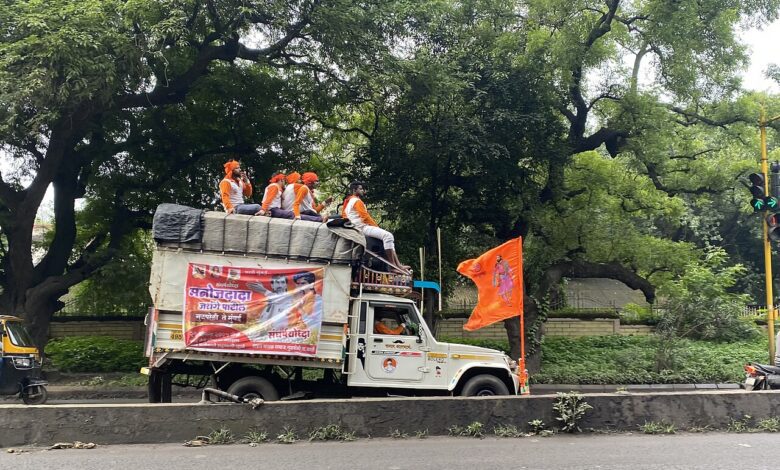
The activist has set September 12 for a core-committee meeting and a decision on a proposed Mumbai agitation if demands remain unresolved. A stated intention to march is not confirmation that the march has begun.
The government’s response
Chief Minister Devendra Fadnavis said on Sunday that the government was open to constitutionally valid and legally sustainable demands. Deputy Chief Minister Eknath Shinde said the objective was to provide reservation to the Maratha community without reducing benefits available to other communities.
Those positions leave important questions unresolved: the evidentiary basis for certificates, the scrutiny process and the form of any further administrative decision. Statements about examining legal aspects do not themselves amend eligibility rules.
What would count as a substantive next development?
A written government resolution, a clearly stated implementation procedure or a relevant court order would provide a firmer basis for assessing what has changed. A meeting or assurance may advance negotiations, but its practical effect depends on the decision that follows.
For applicants, neither a protest demand nor a political response is a substitute for the current official requirements applying to their case. For the wider debate, the key test is whether any eventual measure identifies who qualifies, how supporting records are assessed and how the rights of other communities are protected.
Archive photograph: supporters of Manoj Jarange passing through Pune toward Mumbai on 28 August 2025. This is not the August 2026 fast or evidence that the newly proposed march has begun. Photo: Ganesh Dhamodkar, Wikimedia Commons, CC BY 4.0.





