
September 2026 Social Security payment dates: SSI and birthday schedule

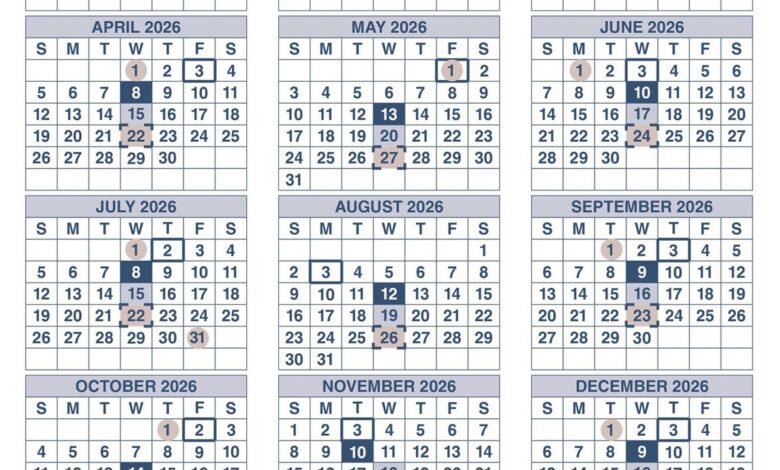
WASHINGTON, September 1 — The Social Security Administration’s official 2026 calendar places September payments on five dates. The correct date depends on whether a person receives Supplemental Security Income, began Social Security before May 1997, receives both programmes, or is assigned a Wednesday by birth date.
September dates
- September 1: Supplemental Security Income (SSI).
- September 3: Social Security for people who began receiving it before May 1997. People receiving both SSI and Social Security generally receive Social Security on this date and SSI on September 1.
- September 9: beneficiaries paid by the Wednesday schedule whose birthday falls from the 1st through the 10th.
- September 16: birthdays from the 11th through the 20th.
- September 23: birthdays from the 21st through the 31st.
These dates come from the SSA’s Schedule of Social Security Benefit Payments 2026. They are not a bonus-payment calendar, and receiving two deposits in one calendar month can result from a weekend or holiday adjustment rather than an extra benefit.
What to do if a payment is missing
The calendar advises allowing three additional mailing days before contacting Social Security about a missing payment. Direct-deposit users should first check their bank account and confirm that the scheduled date for their category has passed.
Recipients can review benefit and payment information through an official “my Social Security” account. They should navigate directly to ssa.gov rather than follow unsolicited messages asking for a password, bank detail or payment to release benefits.
Why birthday dates do not apply to everyone
The second-, third- and fourth-Wednesday system is generally for beneficiaries who started after April 1997 and are not handled under the combined-benefit exception. That is why two people with the same birthday can have different payment dates.
Payment schedules do not determine benefit amounts. Cost-of-living adjustments, deductions, overpayment recovery and Medicare premiums are separate questions shown in an individual’s benefit record. The official calendar should be used for timing; an individual notice or account should be used for the amount.
Common calendar misunderstandings
SSI and Social Security are different programmes even when one person receives both. SSI is generally shown on the first of the month, while Social Security may be paid on the third or on a Wednesday determined by birth date. The exception for people who began receiving Social Security before May 1997 is why a generic “birthday schedule” does not answer every case.
A date shift caused by a weekend or federal holiday changes timing, not the number of benefits owed. It can create two SSI deposits within one calendar month when the following month’s first day is unavailable, followed by no SSI deposit during that next calendar month. That accounting pattern is not an extra payment and should not be used as the basis for spending beyond the regular benefit.
Use the calendar safely
The schedule is useful for deciding when a payment is expected, but an individual award notice or authenticated Social Security account is the source for the amount. Bank processing, an address change, a returned payment or an account-specific issue can still require investigation after the published date.
Social Security does not require a recipient to pay a fee, buy a gift card or disclose a password to release a scheduled benefit. Messages creating urgency around a “missing” September payment should be checked by navigating directly to the official SSA website or using a verified agency telephone number. The three-mailing-day instruction on the calendar should be considered before reporting a paper payment as missing.
Official 2026 Schedule of Social Security Benefit Payments. Image: U.S. Social Security Administration, public-domain government publication; first page rendered for web display.




